
Arusha 4x4 Car Rentals ~ Self-Drive Safaris Tanzania
Arusha is the gateway to Tanzania’s Northern Circuit. This region is the wildlife safari area in the country. It is a place to start both self-drive and guided safaris. The Kilimanjaro International Airport is close by. This makes Arusha easy to reach by domestic flights. Start your adventure in Arusha by renting a 4×4 Land Cruiser. You can also rent a pick-up camper. These vehicles are perfect for trips, to the Serengeti Tarangire, Lake Manyara and the Ngorongoro Crater. These places are very popular. That means guided transport and lodging can be expensive. Booking your 4×4 is one of the best ways to cut your overall safari costs.
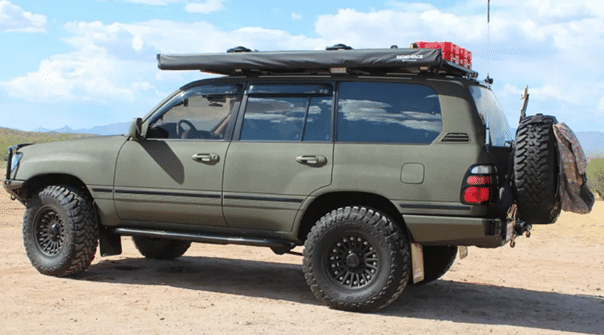
Campsites in the national parks must be booked well in advance, particularly during peak season. Please let us know your plans early so we can secure your reservations. Road conditions: Roads within the national parks are rugged, and a 4×4 with high ground clearance is essential. Serengeti National Park: The Serengeti is among the most challenging parks to drive in, especially for first-time visitors. Vehicles are often pushed hard to cover long distances in limited time, which can lead to breakdowns. For this reason, we recommend hiring a driver-guide for the Serengeti to avoid costly delays. We deliver your vehicle to your hotel or to the airport, provided you share the relevant details with us in advance. All quotations include unlimited mileage and insurance.
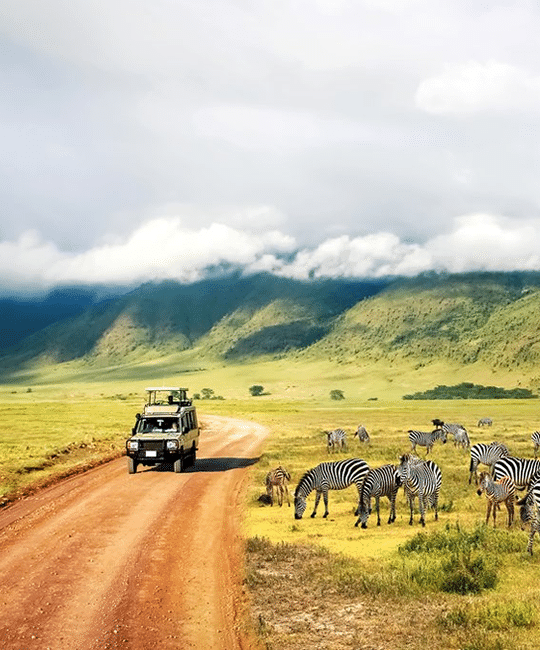
Ngorongoro safaris
Ngorongoro Crater one of the African Natural wonders attracts thousands of travellers each year. It is one of the most expensive spot in the northern circuit. Rent a car and take a tour.
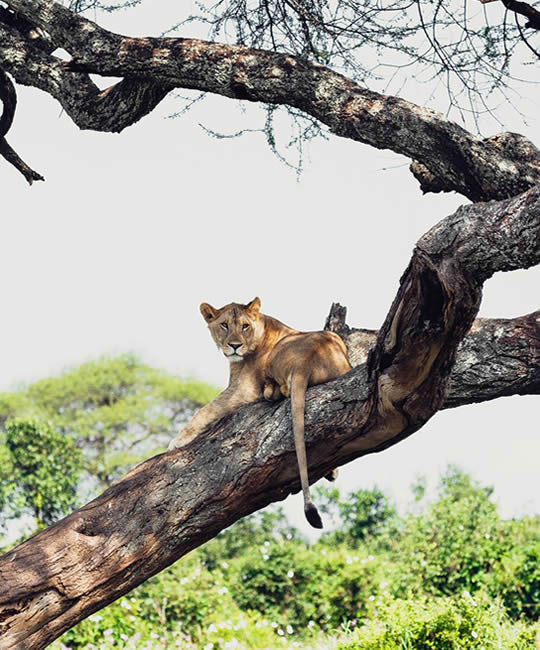
Lake Manyara National Park
This is a gateway to Ngorongoro crater famous for the tree climbing lions and lesser Flamingos on Lake Manyara. Combine this with Serengeti on your Tanzania self drive trip.
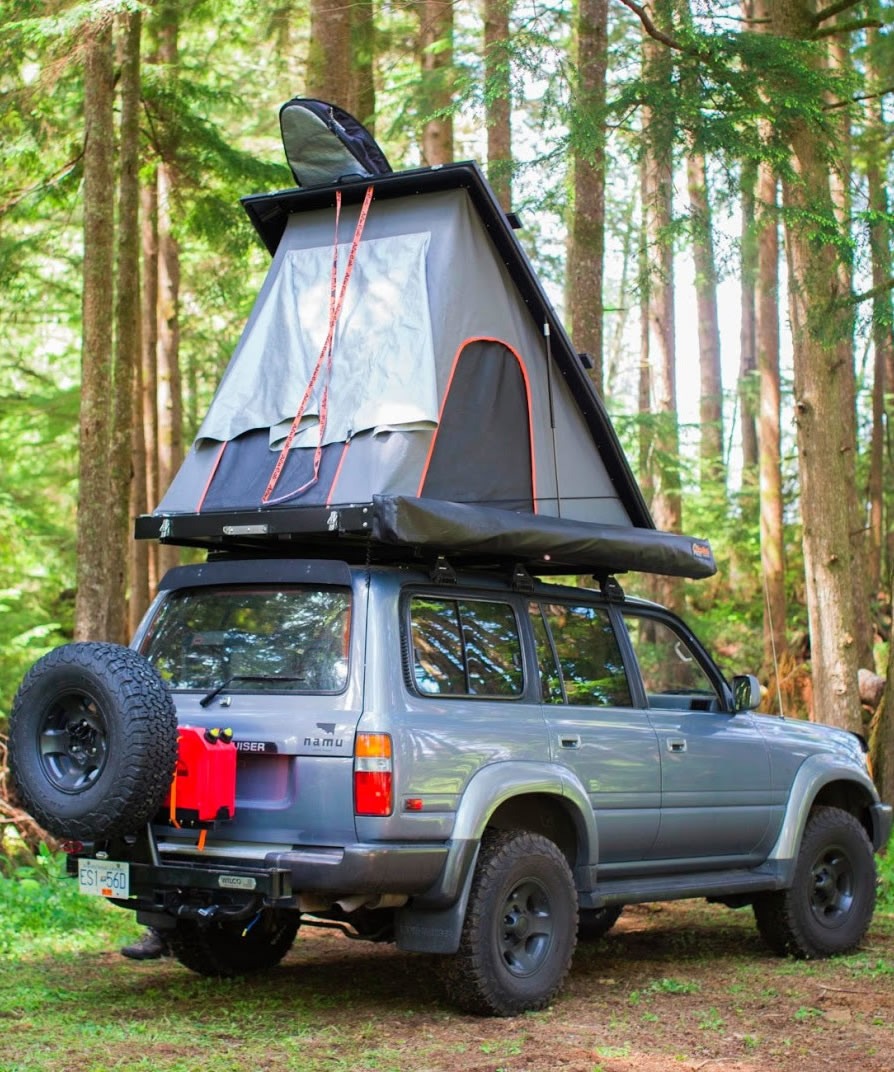
Serengeti National Park
Serengeti National Park attracts thousands of travellers to watch the big five but more with the wildebeest migration. Rent a 4x4 with camping and rooftop tents to save on your Tanzania trip.
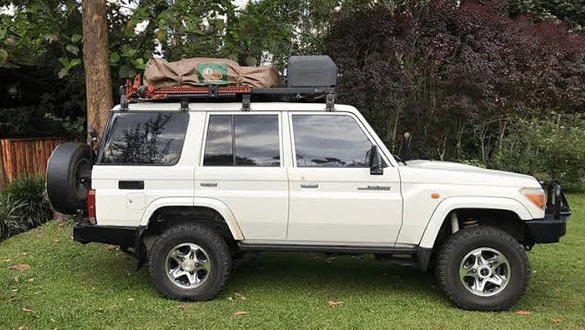
Camping with a 4×4 on Tanzania’s circuit mixes adventure with raw wilderness. In this journey you usually drive a Land Cruiser or another sturdy vehicle either steering the 4×4 yourself while a rooftop tent shelters you or joining a guided safari that includes a driver, a cook and all necessary gear. The path usually takes you through Arusha, Tarangire, Lake Manyara, the Serengeti and the Ngorongoro Crater. Campsites vary from spots that provide basic toilets and cold showers to special locations that are completely unfenced and remote. Nights are loud, with hyena whoops, lion. Hippo grunts and you must remain near the camp after dark. Some sites sit on the rim of Ngorongoro Crater, where temperatures drop unexpectedly warm layers become essential. I have seen the stars shine over the dunes while the 4×4 creaks softly.
Arusha is 1,400 metres above sea level on the slopes of Mount Meru in northern Tanzania. Arusha is the country’s safari capital mainly because of its location. In one day’s drive, and sometimes only a few hours, you can reach Tarangire National Park, Lake Manyara, the Ngorongoro Conservation Area, the Serengeti and Arusha National Park itself. Kilimanjaro is also nearby, with Moshi about an hour and a half away. This group of parks is called the Northern Circuit. It brings most of Tanzania’s wildlife visitors.
Kilimanjaro International Airport sits between Arusha and Moshi, 45 to 60 minutes from Arusha town, and it receives international flights. Arusha’s smaller domestic airport handles aircraft to the Serengeti and other parks. Because of this mix of road access, air links and closeness to the parks, Arusha becomes the starting point for almost every northern safari plan.
The Tourism Infrastructure Built Around It
Arusha’s importance is not its location. Over the years, Arusha has grown into a busy centre of the safari business. Hundreds of tour operators set up shop there with vehicle hire companies, outfitters, lodges, guesthouses and booking agents. Skilled guides, drivers, cooks and camp staff live in and near Arusha so operators can put together trips quickly. Supplies, fuel, mechanics and park paperwork are all easy to obtain.
The city also houses the headquarters of Tanzania National Parks (TANAPA) the agency that manages the parks and the Ngorongoro Conservation Area Authority works nearby. Being close to the regulators and park managers is important for permits, fees and logistics. Tourism is one of Tanzania’s earners of foreign money and Arusha is where a large portion of that money first comes into the economy. This supports thousands of jobs in transport, hospitality, crafts and food supply.
Arusha also has a role. It hosts global institutions, such as the East African Community headquarters and the International Residual Mechanism for Criminal Tribunals. These bring visitors and conferences that add to the hospitality business.
What “Self-Drive” Means in Tanzania
Most safaris from Arusha are guided, with a driver‑guide in a 4×4 Land Cruiser that has a pop‑up roof. Self‑drive is a real option, and it attracts travellers who want independence, flexibility and lower costs or who like the adventure of driving themselves.
In practice, self‑drive in Tanzania means renting a 4×4, often a Toyota Land Cruiser or Land Cruiser Prado, usually with a rooftop tent, camping gear, a fridge, water tanks and recovery tools. Several Arusha companies rent equipped vehicles, give a handover briefing and sometimes provide a satellite phone or GPS. Visitors usually need a driving permit with their home licence but they should check the rental company and current rules before traveling. In Tanzania traffic drives on the side of the road.
Rules and Realities
Self‑drive is allowed in places but there are important limits that are different from places like Namibia, Botswana or South Africa’s Kruger.
First park rules are very strict. In the parks you must pay entry fees for each person, a vehicle fee and fees for camping or staying. Off‑road driving is not allowed speed limits are. You must stay on the tracks that are marked. Rangers can fine drivers who break these rules.
Second the rules differ by park. Tarangire, Lake Manyara, Arusha National Park and the Serengeti are usually open to self‑drive visitors. The Ngorongoro Crater is an exception: going down to the crater floor usually requires a registered guide, and the steep, limited roads are closely controlled, so self‑drivers normally have to hire a local guide for that part. Rules can change, so check the requirements with TANAPA and the Ngorongoro authority.
Third the Serengeti is huge. Its tracks can be confusing, especially when it rains. Fuel inside the park is scarce and costly. Planning ahead is essential. Mobile signal is weak. You should download navigation apps to use offline.
Costs and Practical Considerations
Self‑drive is not always cheaper than a guided trip because the park fees in Tanzania are high and you pay them no matter who drives. The savings mainly come from not paying a guide’s fee and from camping instead of staying in lodges. A rooftop‑tent camping trip is the way. Public campsites in the parks are simple and special campsites cost more.
Wildlife viewing involves trade-offs. A guide knows where animals are, reads their behaviour, shares radio tips with drivers and explains what you see. Self‑drivers see plenty in Tarangire and Manyara but may miss leopards, lions on the move or river crossings that a guide would discover. Many travellers choose a mix: self‑drive Tarangire and Manyara then hire a guide for the Crater and Serengeti.
Safety requires attention. Roads outside the highways can be rough, and flat tyres and mechanical trouble are common. Carry tyres, a jack, a compressor and know how to change a wheel and handle mud or sand. Police checkpoints are frequent on roads, and drivers should stay courteous, carry documents and observe speed limits. Avoid night driving, which is dangerous because of pedestrians, livestock and unlit vehicles. Wildlife, including elephants demands respect and distance. I always check safety before leaving.
The Seasons
The season, roughly June to October, offers easier driving and good wildlife concentrations around water. January and February bring the calving season in the Serengeti and Ndutu area. The long rains of March to May make many tracks difficult and some camps close, so self‑drivers need experience in mud. I find the season the best for driving.
Arusha’s importance to tourism rests on its location beside the Northern Circuit, its air and road connections, its concentration of operators, guides and park authorities and its role as the point where visitors are outfitted and dispatched. Self‑drive safaris from Arusha are a niche but growing option, rewarding for confident, prepared travellers to follow park rules and accept a few limits, such as the guide requirement, at Ngorongoro Crater. For visitors, a mix of self‑drive and guided days offers the best balance of freedom, cost and wildlife sightings. I appreciate that Arusha is a hub.
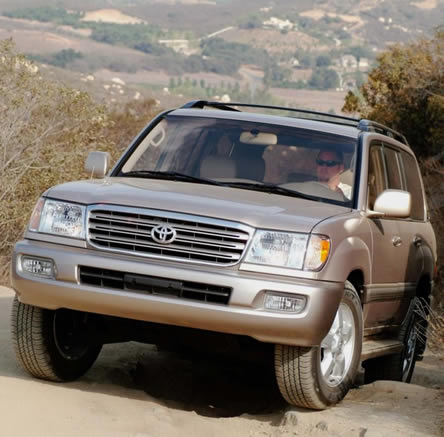
4x4 safaris and self-drive trips in Tanzania are among the most sought-after travel experiences in East Africa. The country attracts thousands of visitors from around the world, drawn especially by the wildebeest migration in Serengeti National Park. Self-drive trips help bridge the affordability gap, making Tanzanian safaris accessible to a wider range of travellers.
- 5 Days Self drive to Mikumi National Park
- 10 Days Ruaha and Mikumi Combined Self drive
- 15 Days Best of Southern Circuit self drive Safari ~ Tanzania
- 25 Days Tanzania self drive Safaris ~ Southern and northern circuit ~ One way
Take a car hire with a driver guide for the first few days to learn how a safari works, then switch to self-drive once you feel confident. Others select a well-supported Car hire and Camping Safaris package with pre-booked campsites and a detailed route book
Course Details:
$150
$150
$150
$150
$150