
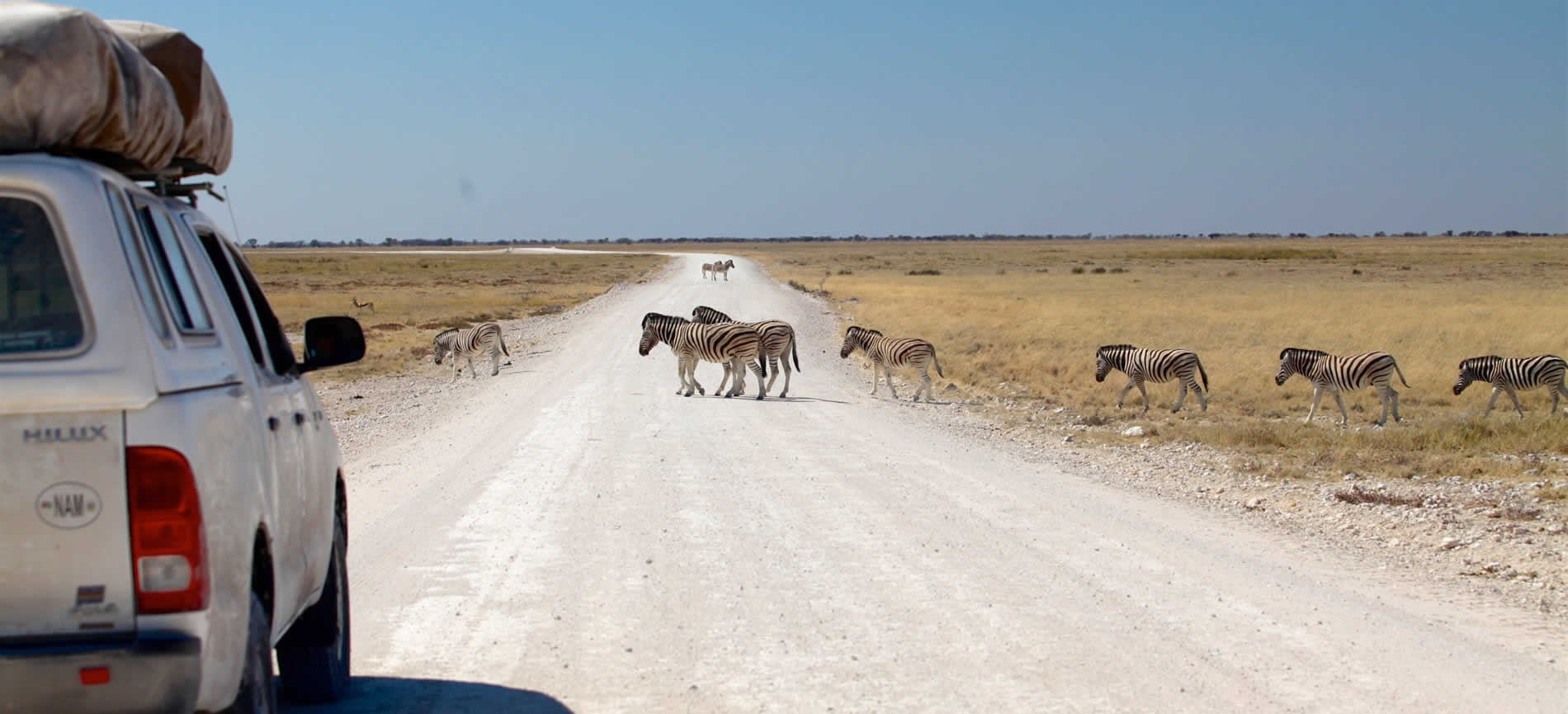
The Complete Guide to Self-Drive Adventures
Choose Tanzania self-drive safaris by setting your own pace across the Serengeti plains, pulling over whenever an elephant herd crosses the track, and cooking dinner beside your rooftop tent as the sun drops behind a baobab. That is the appeal of Tanzania 4×4 safaris done your way. This guide explains what a self-drive safari really involves, where to go, when to travel, how to keep costs down, and whether it is the right choice for you.
What Is a Self-Drive 4×4 Safari in Tanzania?
A self-drive safari means hiring a four-wheel-drive vehicle, typically a Toyota Land Cruiser, Land Rover Defender or a capable compact 4×4 such as a RAV4 for easier routes, and driving through Tanzania’s national parks and reserves without a professional driver-guide.
Most reputable auto rental Tanzania providers equip their vehicles for the bush. Depending on the package, you can expect rooftop tents, camping gear, a fridge, recovery equipment and sometimes a satellite phone or GPS unit, so you can sleep at public campsites in or near the parks.
It helps to be realistic: Tanzania is a newer destination for self-drive than Namibia, Botswana or South Africa, where routes are well signposted and the culture is firmly established. Kenya sits somewhere in between. Most visitors to Tanzania still travel with a guide, because the parks are huge, tracks are often poorly marked and navigation can be unforgiving. Self-drive here is a rewarding niche for prepared, adventurous travellers.
Rules and Realities to Understand Before You Book
These constraints shape every self-drive trip, so plan around them.
Park regulations. The Tanzania National Parks Authority (TANAPA) allows private vehicles into most parks, and you pay entry, vehicle and camping fees. Rules on guides vary. Some conservation areas may require or strongly encourage a registered guide, and Ngorongoro Crater has historically had specific requirements for descending to the crater floor. Regulations change, so confirm current requirements with TANAPA, the Ngorongoro Conservation Area Authority or your rental company before committing.
Fees. Non-resident park fees in Tanzania are among the highest in Africa. Daily park, concession and camping fees add up quickly. A self-drive trip costs less than a fully guided lodge safari mainly because you save on guides, lodges and meals, not because the parks themselves are cheap.
Driving conditions. Traffic drives on the left. Roads between towns can be congested, with heavy trucks, buses overtaking aggressively, speed bumps and police checkpoints. Inside parks, tracks range from smooth to deeply rutted, and in the wet season black cotton soil turns to mud that can trap even a 4×4.
Self-reliance. Punctures, breakdowns and getting stuck are real possibilities, and mobile coverage is patchy in remote areas. Carry recovery gear, at least one spare wheel, plus plenty of fuel and water.
Best Places for Self-Drive Safaris in Tanzania
Tarangire National Park. Arguably the most manageable park for self-drivers. It is compact, a few hours from Arusha, and famous for huge elephant herds and ancient baobabs. Public campsites are available and the road network is easier than in the Serengeti.
Lake Manyara National Park. A small park on the Rift Valley escarpment, known for tree-climbing lions, flamingos and hippos. Its modest size makes it a gentle introduction to driving yourself in a park.
Serengeti National Park. The headline destination, and self-drivers do go. The central Seronera area has public campsites, good predator viewing and comparatively well-used tracks. Heading north toward the Mara River or west toward the Grumeti means long driving days and confidence on remote tracks, so this is where experience matters most.
Ngorongoro Conservation Area. One of the richest wildlife concentrations on the continent. Self-drive access to the rim and highlands is possible, and camping on the rim at Simba Campsite is popular. Crater descent rules can be restrictive, so check beforehand.
Arusha National Park. Close to Arusha town and Kilimanjaro airport, this scenic park is ideal for a first-day warm-up or a final-day outing, with colobus monkeys, giraffes and views of Mount Meru.
Southern and western circuits. Ruaha and Nyerere (formerly Selous) offer wilder safaris with far fewer vehicles. Ruaha is rugged and dry, rich in lions and elephants, while Nyerere is known for its river systems and boat safaris. These suit experienced, well-equipped self-drivers, and logistics are harder, so many travellers fly in and use guides here.
The Northern Circuit combination. The classic loop links Arusha, Tarangire, Lake Manyara, Ngorongoro and the Serengeti. It has the best infrastructure and is the most realistic route for self-drivers.
One-Way Tanzania Self-Drive Safaris: Arusha to Dar es Salaam and Beyond
Not every trip needs to end where it began. One-way Tanzania self-drive safaris let you start in one city and finish in another, which saves days of backtracking and opens up longer itineraries.
A popular option is to collect your 4×4 in Arusha, drive the Northern Circuit, then continue south and drop the vehicle in Dar es Salaam before heading to Zanzibar or the coast to relax. The reverse also works well. Some travellers combine Tanzania with Kenya or wider East Africa using cross-border options, subject to permits and paperwork.
When planning a one-way rental, confirm drop-off fees, the cross-border documents you need, and the pick-up and drop-off locations available. A good rental company will help arrange this in advance.
Dar es Salaam Car Hire: When It Makes Sense
Most safari-focused trips begin in Arusha, but Dar es Salaam car hire is a smart choice in several situations:
- You are flying into Julius Nyerere International Airport and heading to the Southern Circuit, Mikumi, Udzungwa or Nyerere.
- You want a one-way route that finishes your northern safari on the coast.
- You plan to combine safari with beach time along the Indian Ocean.
City driving in Dar es Salaam can be intense, with heavy traffic, so allow extra time to get out of town, and avoid driving after dark where you can.
Budget Car Rentals for Self-Drive Safaris: How to Keep Costs Down
Self-drive is not automatically cheap, but smart choices make budget car rentals for self-drive safaris achievable without compromising safety.
- Choose the right vehicle. A full-spec Land Cruiser is ideal for remote parks, but a well-prepared compact 4×4 can handle the easier Northern Circuit routes in the dry season at a lower daily rate.
- Camp instead of booking lodges. Rooftop tents and public campsites are far cheaper than lodges, and they put you closer to the wildlife.
- Cook your own meals. A fridge and camping kitchen reduce restaurant costs significantly.
- Travel in shoulder periods. Prices drop outside peak months, though conditions need more caution.
- Compare the whole package. Check what is included: insurance, unlimited or limited mileage, camping gear, recovery equipment, and any one-way or cross-border fees.
- Budget for park fees separately. They are a major part of the total regardless of how you travel.
The cheapest quote is not always the best value. A reliable, well-maintained vehicle with proper recovery gear and local support is worth far more than a small saving on the daily rate.
Best Time for Tanzania 4×4 Safaris
June to October (dry season). The prime window. Vegetation thins, animals gather near water, tracks are firmer and visibility is excellent. Tarangire is at its best from roughly July to October, when elephants and other wildlife concentrate along the river. The wildebeest migration moves through the northern Serengeti and across the Mara River from around July to September, which is spectacular but also the busiest and most expensive time.
January to February (short dry spell). A strong secondary window. Calving season in the southern Serengeti and Ndutu attracts predators and offers exceptional viewing. The landscape is green, though showers are possible.
March to May (long rains). The low season. Roads can become impassable and some camps close, which makes self-drive considerably riskier. Prices drop and scenery is lush, but this period is best avoided unless you are experienced and flexible.
November to December (short rains). Rain is intermittent and less severe. Conditions can be fine, but unpredictable weather can still affect tracks.
For most self-drivers, late June through October offers the safest and most rewarding conditions.
Is a Self-Drive Safari Right for First-Time Visitors to Africa?
For most first-timers, honestly, a guided safari is the better introduction. Here is why:
- Wildlife viewing is a skill. Experienced guides know where animals are, read behaviour, spot camouflaged predators and position the vehicle for the best sightings. Without that expertise, first-timers often miss much of what is around them.
- Safety and logistics are more demanding. Dangerous animals, remote tracks and limited emergency help mean mistakes can be costly. Unfamiliar roads, mechanical issues and park bureaucracy add stress.
- The cost advantage can be smaller than expected once you add vehicle hire, fuel, fees, insurance and gear.
That said, self-drive suits adventurous, mechanically confident travellers with previous off-road experience, especially if they keep the itinerary modest, stick to the Northern Circuit in the dry season and perhaps hire a guide for the most remote sections. A hybrid approach also works well: start with a guided safari to learn how wildlife viewing works, then return for a self-drive trip.
If your priority is maximum sightings and understanding African wildlife on a first visit, choose a guided safari. If you want independence, adventure and the satisfaction of doing it yourself, and you are prepared for the challenges, a carefully planned self-drive in Tanzania can be unforgettable. For an easier first self-drive introduction to Africa, Namibia or South Africa’s Kruger National Park are widely considered gentler starting points.
Plan Your Tanzania 4×4 Safari
Whether you want a one-way route from Arusha to Dar es Salaam, a budget-friendly camping trip on the Northern Circuit or a fully equipped Land Cruiser for remote parks, choosing the right auto rental Tanzania partner makes all the difference. Look for a provider offering well-maintained 4x4s, rooftop tent setups, clear insurance terms, flexible pick-up and drop-off points, and local support if something goes wrong.
Ready to start planning? Contact us for a quote on your self-drive safari.