
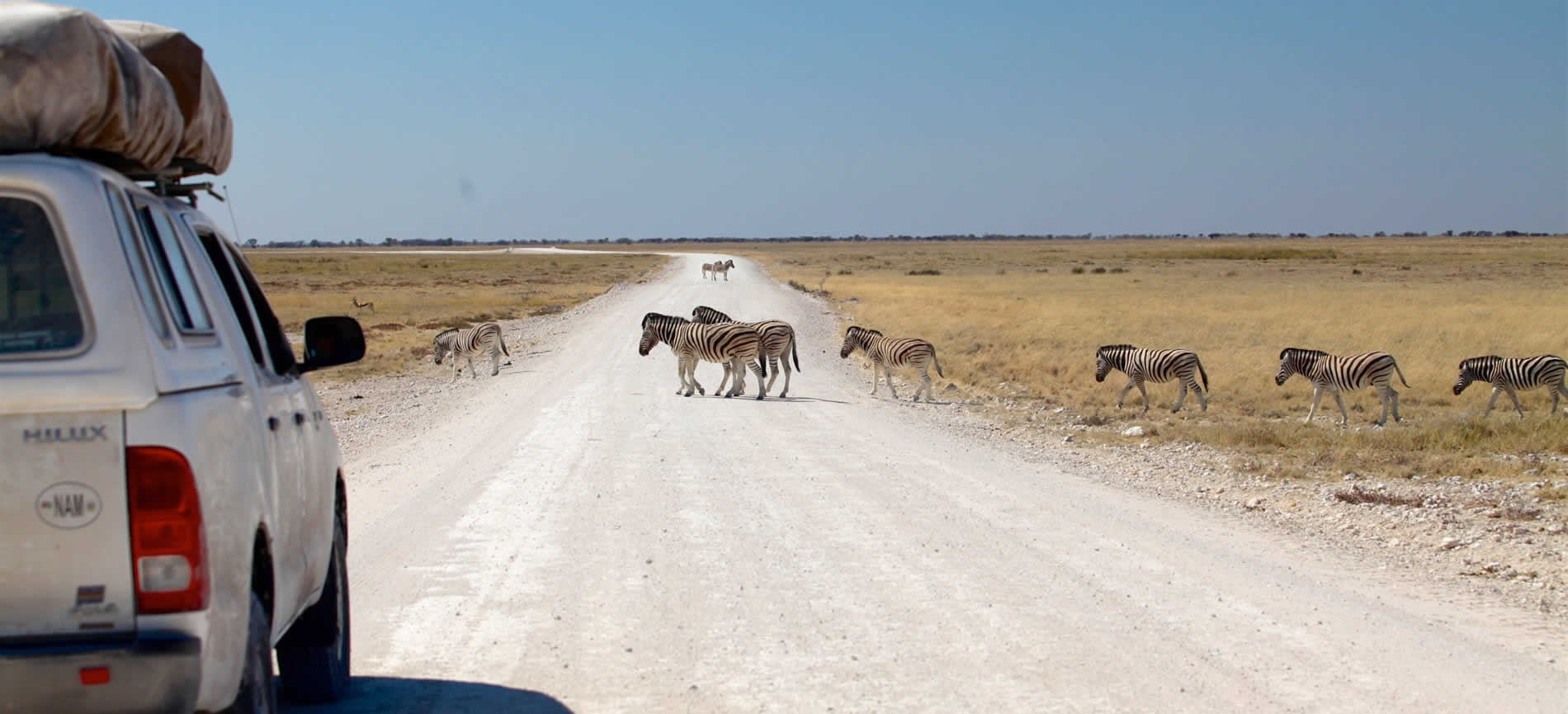
4×4 Africa Self-Drive Safaris: Routes, Timing, One-Way Trips and Car Hire Guide
Imagine pulling out of camp at first light, a thermos of coffee on the dashboard, with nothing but a dusty track and a herd of elephants ahead of you. That is the appeal of 4×4 Africa self-drive safaris: you choose the route, the pace and the campsite. This guide covers the best destinations in East Africa, the most rewarding routes, how one-way self-drive from Mombasa works, what to know about Dar es Salaam car rentals, and how to plan a self-drive with camping trip that suits your budget and experience.
What Is a 4×4 Africa Self-Drive Safari?
A 4×4 Africa self-drive safari puts you behind the wheel of a fully equipped four-wheel-drive vehicle to explore national parks, conservancies and scenic highlands on your own schedule. There is no shared minibus and no fixed timetable. You decide when to leave camp, how long to wait at a waterhole and which track to follow.
Most travellers choose Kenya, Tanzania, Uganda or Rwanda, and many combine two or more. Kenya and Tanzania are the most popular because their parks sit side by side and share the Great Migration. Uganda and Rwanda add gorilla and chimpanzee trekking. Namibia and Botswana are often mentioned as other self-drive favourites in southern Africa.
A typical self-drive package includes a roof-top-tent-equipped vehicle, camping gear, maps or GPS, and a briefing on road rules and park regulations.
Self-Drive with Camping: How It Works
Self-drive with camping is the backbone of the self-drive market. You hire a Land Cruiser, Land Rover Defender, Toyota Hilux or similar 4×4 fitted with:
- A roof-top tent and bedding
- A fridge or cool box
- A cooking kit, camp chairs and a table
- Recovery gear and a second spare tyre
Each evening you pitch camp at a public or special campsite inside or near a park. It costs far less than lodge-based travel and puts you right inside the sounds of the bush at night.
Most reputable operators include generous or unlimited mileage, comprehensive insurance with a deductible, 24-hour roadside support and, where permitted, cross-border paperwork. Always confirm what is excluded. Park fees, fuel, tyre and windscreen damage, and the cost of recovering a vehicle from a remote area are commonly charged separately.
If you want comfort without giving up independence, a hybrid trip is an option. You drive yourself but sleep in tented camps or lodges, which removes the cooking and tent-pitching. Some travellers hire a vehicle for long transfers and add short guided game drives in parks where navigation is tricky.
Self-Drive vs Hire with a Driver Guide
Not everyone wants to drive. A driver guide knows the roads, reads animal behaviour, spots wildlife you would otherwise miss and handles mechanical issues. In places like the Serengeti, Ngorongoro Crater and Maasai Mara, an experienced guide can be the difference between seeing a leopard in a tree and driving straight past it.
Many travellers split the difference: self-drive in Kenya’s well-signposted parks, then use a driver guide in Tanzania, where park rules, off-road restrictions and the Ngorongoro crater descent are more demanding. A guide also suits older travellers, families with young children and anyone nervous about long rural drives. Ask your operator whether a 4×4 Africa self-drive itinerary can be paired with a guide for specific legs.
Top Self-Drive Safari Destinations in East Africa
Kenya: Maasai Mara, Amboseli, Tsavo, Lake Nakuru and Samburu
The Maasai Mara is the headline act, with lions, cheetahs, elephants and the Wildebeest Migration from roughly July to October. Amboseli offers large elephant herds against Mount Kilimanjaro. Tsavo East and Tsavo West are vast and rugged, ideal for self-drivers who want solitude, and they sit conveniently close to the coast. Lake Nakuru is famous for rhinos and flamingos, while Samburu in the north offers Grevy’s zebra, reticulated giraffe and gerenuk.
Tanzania: Serengeti, Ngorongoro, Tarangire, Lake Manyara and Ruaha
The Serengeti is the planet’s greatest wildlife stage, and the Ngorongoro Crater packs an extraordinary density of animals into a single caldera. Tarangire is known for baobabs and elephants, and Lake Manyara for tree-climbing lions. Ruaha, further south, is wild and rarely crowded. Self-drive rules in Tanzania can be stricter than in Kenya, so always check current regulations and park requirements before you go.
Uganda: Queen Elizabeth, Murchison Falls, Kibale and Bwindi
Uganda rewards self-drivers who love variety. Queen Elizabeth National Park has tree-climbing lions and boat safaris on the Kazinga Channel. Murchison Falls combines game drives with the thundering Nile. Kibale is the best place to track chimpanzees, and Bwindi is the stronghold of the endangered mountain gorilla.
Rwanda: Volcanoes, Akagera and Nyungwe
Rwanda is compact, safe and beautifully maintained. Volcanoes National Park offers gorilla trekking, Akagera has the Big Five, and Nyungwe Forest has chimpanzees and canopy walks.
One-Way Self-Drive from Mombasa
One-way self-drive from Mombasa is one of the most popular ways to see Kenya and Tanzania without backtracking. You collect your 4×4 on the coast, drive inland through the parks, and finish in a different city instead of returning the same way.
A popular route runs from Mombasa through Tsavo East and Tsavo West, on to Amboseli beneath Kilimanjaro, then either north to Nairobi or south across the border towards Arusha. Beach time in Diani or Watamu makes a natural start or finish before or after the bush.
Some things to know before booking a one-way self-drive from Mombasa:
- Drop-off fees. Expect a one-way fee that depends on the distance and the drop-off city.
- Cross-border permission. If you plan to finish in Tanzania, confirm in writing that the operator allows cross-border travel and supplies the correct permits, insurance and paperwork.
- Realistic timing. Allow at least 7 to 10 days for a one-way trip so that you are not rushing between parks.
- Camping or lodges. Tsavo and Amboseli have established campsites, so self-drive with camping works well on this route.
Other one-way routes include Nairobi to Kampala and Arusha to Nairobi. One-way self-drive safaris save backtracking, let you see more of the region and work especially well on longer trips.
Dar es Salaam Car Rentals: Starting or Ending a Tanzania Self-Drive
If your plans lean towards southern and western Tanzania, Dar es Salaam car rentals offer a practical starting point. The city has an international airport and good links to the Southern Circuit, including Mikumi, Udzungwa and Ruaha, as well as the road west towards Selous (Nyerere National Park).
When comparing Dar es Salaam car rentals, check the following:
- Whether the vehicle is a genuine 4×4 with high clearance, suitable for park tracks
- Whether camping equipment is included for self-drive with camping, or whether you need to add it
- Whether a driver can be added for sections of the trip
- Whether one-way drop-offs to Arusha, Moshi or other cities are possible, and what they cost
- Insurance excess, tyre and windscreen cover, and roadside assistance coverage
Tanzania’s road rules and park regulations differ from Kenya’s. Confirm requirements with your operator, and hold your licence, permits and park fee receipts in the vehicle at all times.
Best Self-Drive Routes
Classic Kenya Circuit (7 to 10 days): Nairobi, Lake Naivasha, Maasai Mara, Lake Nakuru, Samburu, then back to Nairobi. Roads are mostly decent and campsites are plentiful, making this the most accessible 4×4 Africa self-drive route.
Kenya and Tanzania Northern Circuit (10 to 14 days): Nairobi, Amboseli, Arusha, Lake Manyara, Serengeti, Ngorongoro, Tarangire and back. This covers the headline parks but needs cross-border paperwork and awareness of local rules.
Coast to Kilimanjaro (7 to 10 days): Mombasa, Tsavo East, Tsavo West, Amboseli and on to Arusha or Nairobi. A strong one-way option for first-time self-drivers.
Uganda Gorilla and Savannah Loop (10 to 14 days): Entebbe or Kampala, Murchison Falls, Kibale, Queen Elizabeth, Bwindi and back. It balances savannah game drives with primate trekking.
Grand East Africa Overland (3 to 4 weeks): Nairobi through Kenya and Tanzania into Uganda and Rwanda, or the reverse. The ultimate adventure for experienced travellers with plenty of time.
Best Time for a Self-Drive Safari
The dry seasons are best for wildlife viewing because animals gather around shrinking water sources and thinner vegetation improves visibility.
- June to October: Peak season in Kenya and Tanzania. The Wildebeest Migration crosses the Mara River from about July to September. Roads are drier and campsites are busy, so book early.
- January to February: A shorter dry season, hot and excellent for the southern Serengeti calving season, and generally good for Kenya.
- March to May: The long rains. Roads can become impassable and some camps close, but prices fall and landscapes turn green. This is a difficult time for self-drivers.
- November to December: The short rains. Often manageable, with fewer crowds and lovely light for photography.
For Uganda and Rwanda, the drier months of June to September and December to February are best for gorilla and chimpanzee trekking, though forest trails can be muddy at any time.
Tips for Planning Your 4×4 Africa Self-Drive Safari
- Book early for June to October, especially vehicles with camping equipment.
- Get the paperwork right for cross-border trips and one-way drop-offs.
- Read the exclusions in your rental agreement: fuel, park fees, tyre damage and recovery costs.
- Carry extra water, fuel and offline maps, since mobile coverage is patchy in many parks.
- Be honest about your experience. If you have never driven on rough tracks, add a guided leg or start with Kenya’s more straightforward circuits.
Ready to Plan Your Trip?
Whether you want one-way self-drive from Mombasa, Dar es Salaam car rentals for the southern circuit, or a classic self-drive with camping loop through the Mara, the right vehicle and the right route make all the difference. Contact us to build a custom 4×4 Africa self-drive safari with the dates, vehicle and camping setup that fit you.