
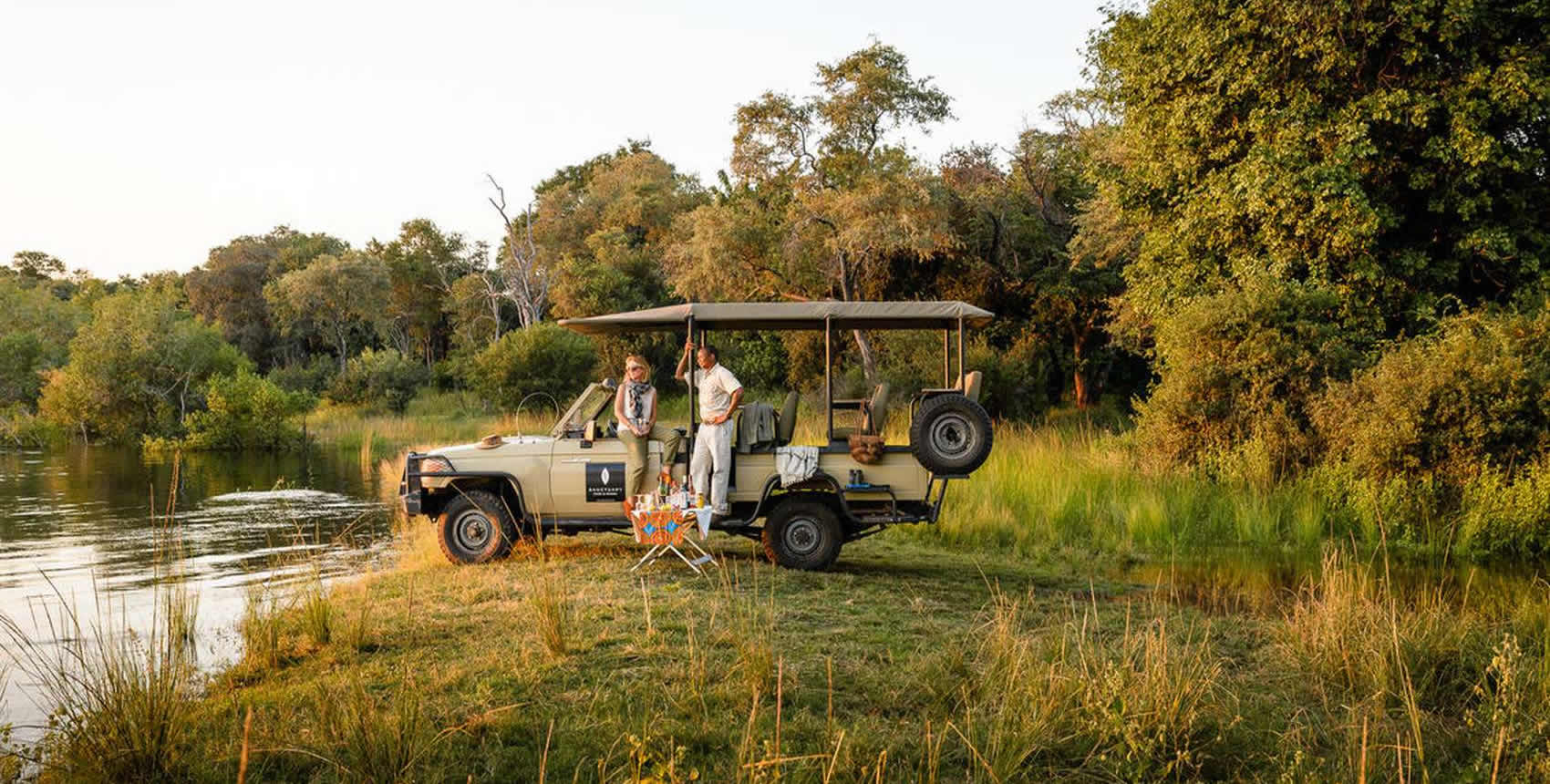
Self-Drive in Arusha: The Complete Guide to Tanzania Self-Drive Safaris
Self-drive in Arusha gives you exactly that: a capable 4×4, a roof tent, and the Northern Circuit’s greatest parks within reach. Whether you want to camp beneath the stars in Tarangire or follow the migration across the plains, this guide explains how car hire from Arusha works, what rules apply, and how to combine independence with local expertise for the best safaris in Tanzania.
Arusha: Tanzania’s Safari Capital
Arusha sits at roughly 1,400 metres on the slopes of Mount Meru and is the undisputed starting point for Tanzania’s wildlife tourism. Within a day’s drive, and often just a few hours, you can reach Tarangire National Park, Lake Manyara, the Ngorongoro Conservation Area, the Serengeti, and Arusha National Park. Moshi and Kilimanjaro are about an hour and a half away. Together, these form the Northern Circuit, which carries most of the country’s safari traffic.
Access is easy. Kilimanjaro International Airport lies between Arusha and Moshi, around 45 to 60 minutes from town, and handles international flights. Arusha’s smaller domestic airport serves light aircraft heading to the Serengeti and other parks. This mix of road and air links makes the city the natural launch pad for nearly every northern itinerary.
The Industry Built Around the City
Arusha is more than a convenient location. Over decades it has grown into a dense safari hub, home to hundreds of tour operators, outfitters, lodges, guesthouses, and vehicle hire companies. Experienced guides, drivers, cooks, and camp crews live here, so trips can be assembled quickly. Fuel, mechanics, supplies, and park paperwork are all easy to arrange.
The city also hosts the headquarters of Tanzania National Parks (TANAPA), while the Ngorongoro Conservation Area Authority operates nearby. Proximity to these bodies simplifies permits, fees, and logistics. Tourism is among Tanzania’s biggest earners of foreign exchange, and much of that money first enters the economy in Arusha, supporting thousands of jobs in transport, hospitality, crafts, and food supply. The city also hosts the East African Community headquarters and the International Residual Mechanism for Criminal Tribunals, which bring conferences and visitors of their own.
Why Self-Drive Safaris in Tanzania Are Popular
Most visitors still travel with a driver-guide in a pop-up-roof Land Cruiser, but self-drive is a growing niche. So why are self drive safaris in Tanzania popular with a rising number of travellers?
- Independence. You choose when to leave camp, how long to linger at a waterhole, and which track to take.
- Flexibility. There is no group schedule. If a lion pride is resting under an acacia, stay as long as you like.
- Cost control. Park fees are fixed regardless of who drives, but you avoid a guide’s daily fee, and camping costs far less than lodges.
- Adventure. Navigating, setting up camp, and handling the vehicle yourself is half the appeal for overlanders.
4×4 Car Rentals in Tanzania: What You Actually Get
Self-drive here means renting a rugged vehicle, usually a Toyota Land Cruiser or Land Cruiser Prado. Many 4×4 car rentals in Tanzania come fully equipped with a rooftop tent, camping gear, a fridge, water tanks, and recovery equipment. Several Arusha companies provide a handover briefing and may supply a satellite phone or GPS.
Visitors typically need an international driving permit alongside their home licence, though you should confirm requirements with the rental company and check current regulations before you travel. Traffic drives on the left, which can take adjusting to if you are used to the right.
When you shop for car hire from Arusha, compare what is included: insurance terms, mileage limits, spare tyres, recovery gear, and whether the company offers roadside support. A well-prepared vehicle matters more than a low daily rate when you are hours from the nearest garage.
Rules and Realities of Self-Drive Safaris
Self-drive is permitted in many areas, but Tanzania’s rules differ from those in Namibia, Botswana, or South Africa’s Kruger.
Park regulations are strict. In the national parks you pay per-person entry fees, a vehicle fee, and camping or accommodation fees. Off-road driving is prohibited, speed limits are enforced, and you must stay on designated tracks. Rangers can fine anyone who breaks the rules.
Access varies by park. Tarangire, Lake Manyara, Arusha National Park, and the Serengeti are generally open to self-drive visitors. The Ngorongoro Crater is the notable exception in practice. Descending to the crater floor typically requires a registered guide, and the steep access roads are tightly managed, so self-drivers usually hire a local guide for that portion. Rules can change, so confirm current requirements with TANAPA and the Ngorongoro authority.
Serengeti Safaris on Your Own Wheels
Many self-drivers build their trip around the Serengeti, and for good reason. Serengeti safaris offer vast plains, big cats, and, in season, the great migration. But the park rewards preparation.
The Serengeti is enormous, and its tracks can be confusing, especially in the wet season. Mobile coverage is patchy, so download offline maps before you leave Arusha. Fuel is limited inside the park and expensive, which means you should fill up beforehand and calculate your range carefully.
Seronera and the Seronera Airstrip
Central Serengeti is organised around Seronera, the park’s busiest hub and a reliable area for wildlife viewing. The Seronera Airstrip serves light aircraft, which makes it a useful reference point if you are mixing road and air travel. Some travellers drive in, then fly out, or the reverse. Being near Seronera also puts you close to ranger services and several accommodation and camping options, so it is a practical base for first-time visitors.
Camping in Serengeti National Park
Camping in Serengeti National Park is one of the most memorable parts of a self-drive trip. Public campsites are basic but put you right in the wilderness, while special campsites cost more and offer greater seclusion. A rooftop tent keeps you off the ground, but always follow ranger advice, keep food securely stored, and never walk around camp at night without checking for wildlife. Book campsites in advance for peak periods, and confirm current fees and availability with the park authorities.
Safaris in Tanzania and Camping: Costs and Trade-Offs
Self-drive is not automatically cheaper than a guided trip, because Tanzania’s park fees are high and apply whichever way you travel. The real savings come from skipping the guide’s daily fee and camping instead of staying in lodges. Rooftop-tent camping is the budget route to safaris in Tanzania and camping holidays alike.
Wildlife viewing is the other trade-off. A guide knows where animals are, reads behaviour, shares tips by radio with other drivers, and explains what you are seeing. Self-drivers see plenty, especially in Tarangire and Manyara, but may miss leopards, lions on the move, or river crossings that a guide would find. Many travellers split the difference: self-drive Tarangire and Manyara, then hire a guide for the Crater and Serengeti.
A Note on Dar es Salaam Car Hire
Some visitors begin their trip on the coast or Zanzibar. Dar es Salaam car hire is available, but Dar es Salaam is a long drive from the Northern Circuit, so most safari travellers fly or take a bus to Arusha and collect their 4×4 there. If you want to start or end in Dar es Salaam, ask whether one-way rentals are offered and what they cost. It is also worth asking about the Southern Circuit, which is typically approached from Dar es Salaam rather than Arusha.
Staying Safe on the Road
Roads outside the main highways can be rough, and flat tyres and mechanical trouble are common. Carry spare tyres, a jack, and a compressor, and know how to change a wheel and handle mud or sand. Police checkpoints are frequent on main roads, so stay courteous, carry your documents, and observe speed limits. Avoid driving at night, when pedestrians, livestock, and unlit vehicles create real danger. Wildlife, particularly elephants, deserves distance and respect.
The Best Time for Self-Drive Safaris
The dry season, roughly June to October, offers easier driving and strong wildlife concentrations around water. January and February bring the calving season in the southern Serengeti and Ndutu area. The long rains of March to May make many tracks difficult, and some camps close, so only experienced self-drivers should attempt the wet months.
Conclusion: Is Self-Drive Right for You?
Arusha’s importance to Tanzanian tourism rests on its position beside the Northern Circuit, its air and road connections, and its concentration of operators, guides, and park authorities. Self-drive in Arusha is a niche but growing option, rewarding for confident, prepared travellers who follow park rules and accept a few limits, such as the guide requirement at Ngorongoro Crater. For many visitors, a blend of self-drive and guided days offers the best balance of freedom, cost, and wildlife sightings.
If you are ready to plan, start with a reputable provider of car hire from Arusha, choose a properly equipped 4×4, and build an itinerary that matches your experience. Then take the road north.