
Camping Safaris
Home > Services
Services
Contact Info
24/7 Support for Your Adventure Trip
Info File
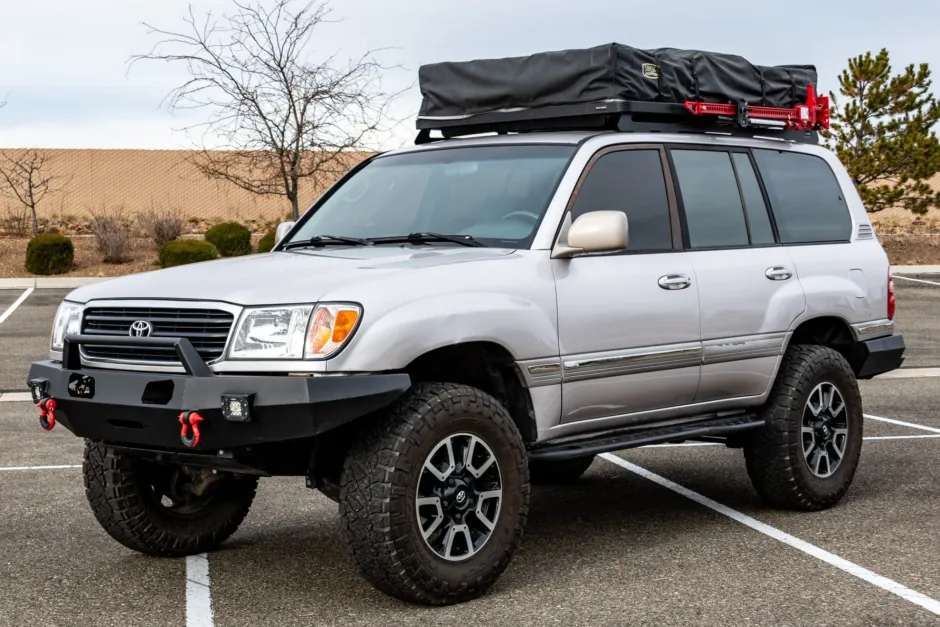
4x4 Camping Safaris ~ Drive East Africa
Self‑drive camping is not for everyone. It is useful to be honest about its demands. Driving on gravel and sand tracks needs concentration and some experience, especially during the rainy season when mud can trap a vehicle quickly. Most camping safari travellers rent a 4×4 with a roof tent. The rental cost, insurance and fuel are parts of any budget. Camping safari travellers should also understand the rules of the parks they visit. In parks, vehicles must stay on designated tracks, may not leave their vehicles at night except at approved campsites, and must be accompanied by a park ranger for certain activities such as night drives. Night drives in Uganda, for example, must be done with a UWA guide. That means that a camping safari traveller cannot simply go out after dark on their own.
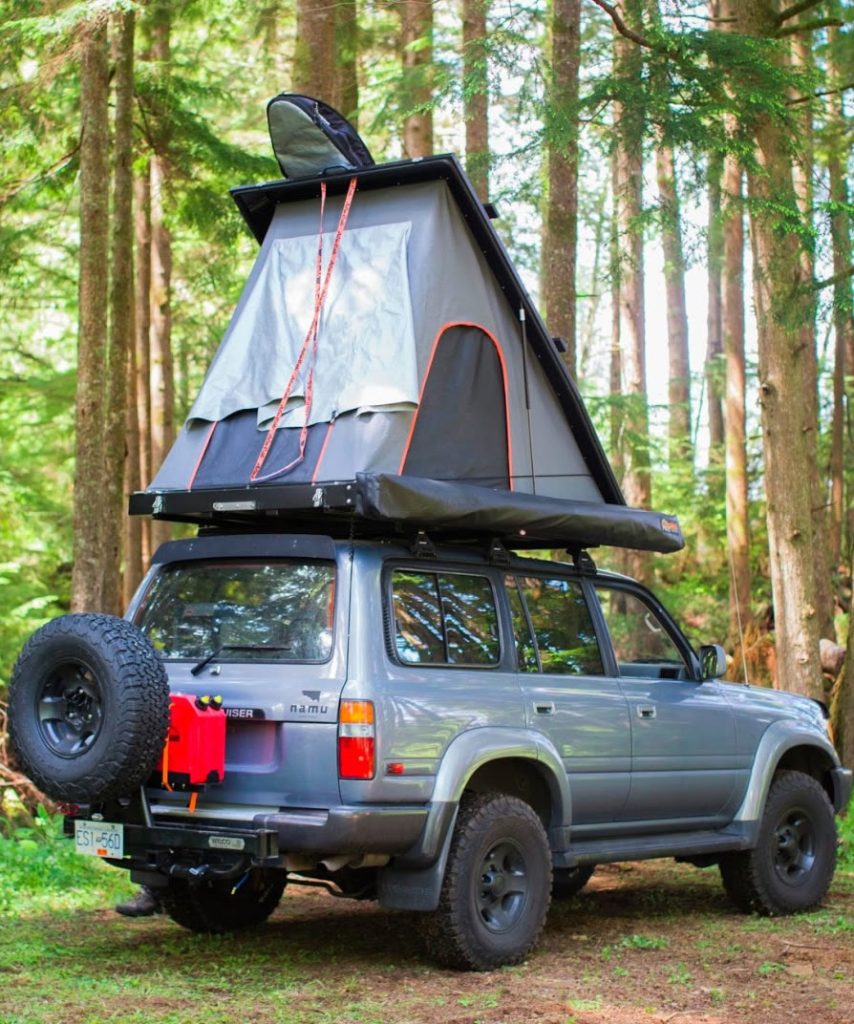
Safety; Animals in the bush are wild Most reputable campsites are located and managed with these risks in mind, and the presence of a night guard or ranger offers a degree of reassurance. Travellers should nonetheless arrive at campsites before dusk, carry a basic first aid kit, know how to contact park headquarters, and have a reliable means of communication.
- A Double rooftop tent
- Sleeping bags and Caution pillows
- Camping Chairs and tables
- Cooking utensils & cylinder gas
- An electric Car fridge
- Spare tires and changing kits
Campsite rates
Camping rates in East Africa are difficult to summarise with precision because they vary by country by park by season and, by visitor category. I have found that the sources I was able to check give some figures so the numbers below should be treated as indicative and confirmed before you travel.
In Kenya the public campsites in Amboseli are listed in a 2026 guide as costing about KES 250 to 350 per adult per night for African residents and citizens and about USD 30 per adult per night for non‑residents. Special campsites in the park cost more at about KES 500 to 700 for East African residents and citizens. Park entry for non‑residents is charged separately. One operator reports that Amboseli entry for non‑residents has risen to USD 200 per person for 12 hours during the July to December high season. That figure is much higher than the figures I found and it may show a recent change so it is worth checking directly with the Kenya Wildlife Service. Kws public campsite rates from a 2024 source put camping at about USD 35 to 55 per person per night which matches the lower end of the other figures. Across Kenya a general guide says that personal camping usually costs USD 20 per night per person at designated campsites though this is a rough average and does not show the higher rates for some parks.
In Uganda the Uganda Wildlife Authority publishes a conservation tariff that covers July 2024 to June 2026. Under that tariff foreign non‑resident adults pay USD 45 per day to enter Murchison Falls National Park and USD 40 per day to enter Queen Elizabeth National Park with children paid USD 25 and USD 20. Camping costs are separate. One guide reports that a UWA public campsite in Murchison Falls costs about UGX 40,000 per person per night and includes a pit latrine, water, firewood and a night warden while wilderness camping in the park is listed at about USD 40 per person per night. Another older source gives fees of USD 30 for non‑residents so the differences in these reports likely show changes in tariffs over time. Self‑drive game viewing in Queen Elizabeth is also charged separately with one source listing about USD 10 per person for self‑drive game drives. Because the tariff covered through June 2026 and today is 11 November 2026 travellers should check the current UWA rates before budgeting.
For Tanzania I did not find a current figure in my search. Park fees and campsite charges in the Serengeti and Ngorongoro are set in US dollars and differ between non‑resident and resident categories so the best approach is to check the TANAPA and NCAA tariff sheets. In practice travellers should also budget for a vehicle rental, fuel, food, a tent and cooking equipment, plus insurance and any ranger or guide fees that a park requires. Taken together a self‑drive camping safari in East Africa can still be much cheaper than a lodge safari. The total depends heavily on the park, the season and how much equipment must be hired.
A sensible approach is to build a budget with three figures in mind: the park entry fee for each person each day the fee for each person per night and the vehicle and fuel costs that apply across the whole trip. Travellers who are African residents will generally pay much less than non‑residents so a clear understanding of visitor categories is important before booking.
Camping safaris in East Africa give a mix of freedom, value and real immersion that few other types of travel can match. They attract travellers who want to set their pace, who enjoy the independence of planning and driving and who love the closeness of sleeping in the bush. The trade‑offs are real including the need for driving skill the cost of vehicle hire the discipline of following park rules and the challenge of finding accurate information on fees. For those to meet these demands the reward is often one of the most memorable experiences that Africa can offer. Anyone planning such a trip should check the park and campsite rates directly with the relevant authority because prices and rules, in the region change frequently.