Kigali → Kampala → Nairobi → Dar es Salaam
Overview
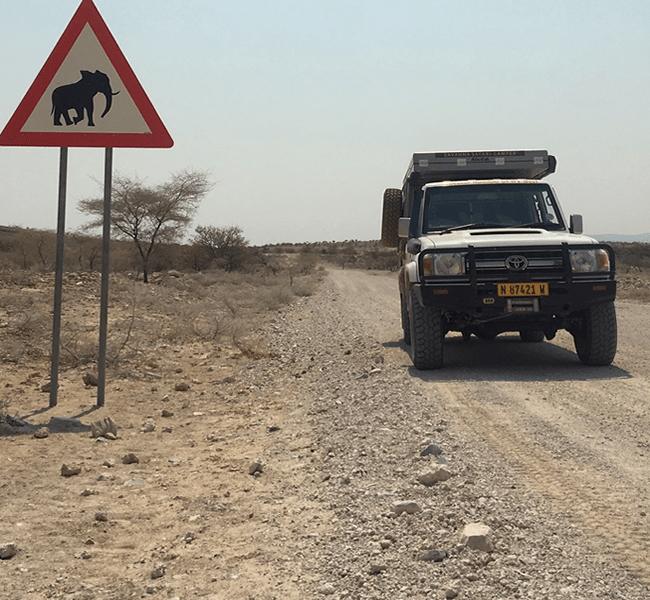
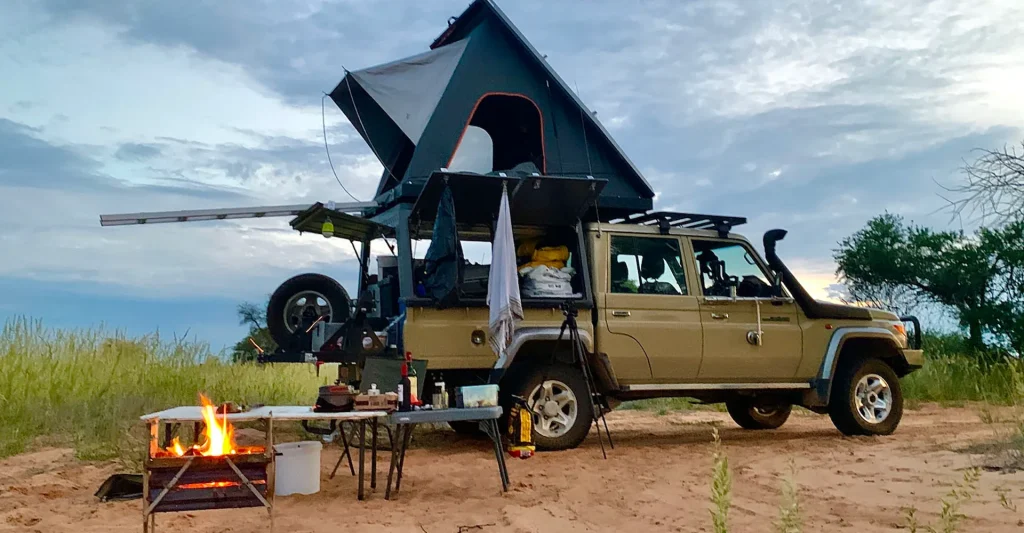
This is one of the most ambitious overland routes possible in East Africa — roughly 6,500+ km across four countries, spanning rainforests, savannas, crater highlands, and the Indian Ocean coast. A 4×4 Land Cruiser (ideally a 70 or 200 Series) with a rooftop tent is the perfect rig. Carry a full-size spare, jerry cans, a recovery kit, and a satellite communicator for remote stretches like Kidepo and Ruaha.
🇷🇼 Rwanda — Days 1–12 (approx. 600 km)
Start: Kigali
Rwanda is the most compact country on this route but packs extraordinary biodiversity. Roads are well-maintained by African standards — the famous Rwandan tarmac makes it an easy opener.
Kigali (2–3 days) — Settle in, service your vehicle, visit the Kigali Genocide Memorial, explore Kimironko market, and sort permits (gorilla permits must be booked months in advance via Rwanda Development Board — currently USD 1,500 per person).
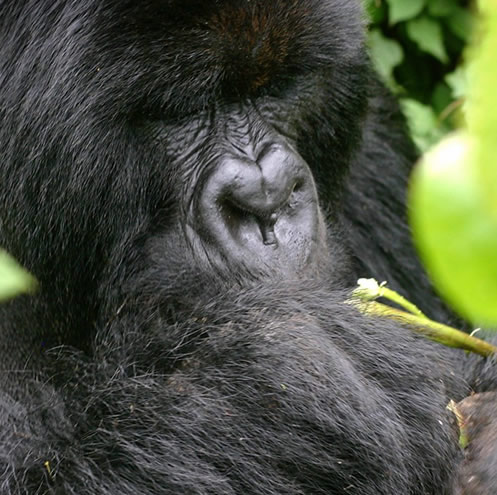
Volcanoes National Park (3 days) — Drive northwest (~2.5 hrs). This is the heart of gorilla country in the Virunga massif. Gorilla trekking is the headline, but golden monkey tracking and Dian Fossey’s Karisoke Research Center are equally rewarding. Camp at the base of the volcanoes with views of Karisimbi.
Nyungwe Forest National Park (3 days) — Drive south (~3.5 hrs) through Rwanda’s terraced hillside scenery. Nyungwe is Africa’s largest montane rainforest. Chimp trekking, the famous Uwinka canopy walkway (70 m above the forest floor), and colobus monkey groups of 400+ are unmissable.
Akagera National Park (2 days) — Head northeast (~3 hrs from Nyungwe via Kigali). Rwanda’s only savanna park and home to the Big Five since lions and rhinos were reintroduced. Excellent self-drive circuits and beautiful Lake Ihema boat safaris.
Border Crossing: Katuna/Gatuna border post (Rwanda → Uganda, open 6am–10pm) — A smooth, well-staffed crossing. Expect 1–2 hours.
🇺🇬 Uganda — Days 13–29 (approx. 1,800 km)
Uganda is the most diverse leg — primates, giant waterfalls, the world’s longest river, and some of East Africa’s most remote wilderness. Roads vary from good tarmac to punishing murram (red laterite), so budget time generously.
Bwindi Impenetrable Forest National Park (3 days) — Your first stop just across the border (~1.5 hrs from Katuna). Another gorilla trekking opportunity — Uganda has more gorilla families habituated than anywhere on earth. Gorilla permits are USD 700 here, and significantly more affordable than Rwanda. The surrounding Bwindi community offers excellent cultural experiences.
Queen Elizabeth National Park (3 days) — Drive north (~3 hrs). Uganda’s most visited park, straddling the equator. The Kazinga Channel boat cruise is one of Africa’s best wildlife spectacles — hippos, buffalo, and elephants at point-blank range. The Ishasha sector in the south is famous for fig-tree climbing lions — one of only two places in the world.
Kibale Forest National Park (2 days) — Continue north to Fort Portal (~2 hrs). Kibale has the highest density of primates in Africa. Chimpanzee trekking here is world-class, and the forest also holds red colobus, L’Hoest’s monkeys, and over 300 bird species. The Bigodi Wetland Sanctuary nearby is a superb birding detour.
Murchison Falls National Park (4 days) — The crown jewel of Uganda. Drive north (~4 hrs from Kibale). The Nile forces itself through a 7-metre gap in the rock, creating the world’s most powerful waterfall. The top-of-falls hike is extraordinary, and the river cruise from Paraa to the base of the falls is legendary. Game drives on the north bank deliver lions, elephants, giraffes, buffalos, and the prehistoric-looking shoebill stork — one of Africa’s most sought-after birds.
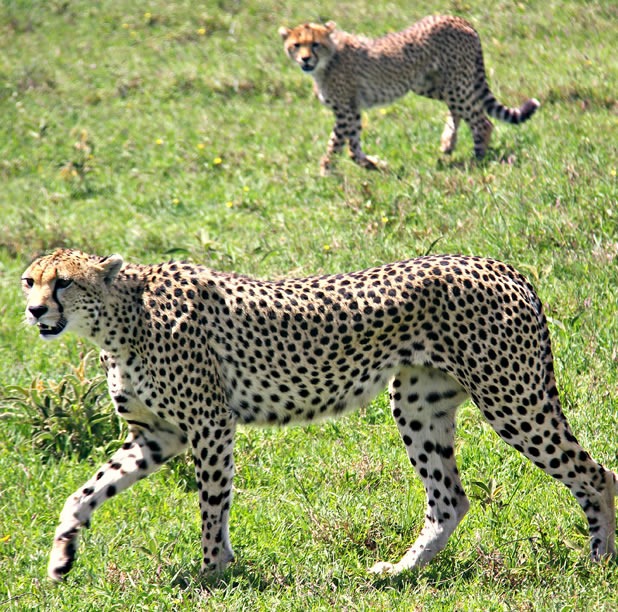
Kidepo Valley National Park (3 days) — A significant drive north (~7 hrs on rough roads) but absolutely worth every kilometer. Uganda’s most remote and arguably most dramatic park, set in a semi-arid valley surrounded by mountains on the South Sudan border. Cheetah, caracal, ostrich, and Rothschild giraffe roam here. You’ll often have the park entirely to yourself.
Return south through Gulu and Kampala (2 days) — Stop in Kampala to resupply, rest, and prepare for Kenya crossing. Border Crossing: Busia or Malaba (Uganda → Kenya) — Busia is better for vehicles heading to western Kenya and Kisumu; Malaba is busier but efficient.
🇰🇪 Kenya — Days 30–53 (approx. 2,200 km)
Kenya is the most road-trip-friendly country on this route, with the greatest variety of landscapes and a well-established self-drive safari infrastructure.
Masai Mara National Reserve (4 days) — Cross into Kenya and head directly to the Mara (~3 hrs from Malaba via Kisumu). If your timing aligns (July–October), you may witness the Great Wildebeest Migration — the largest mammal migration on earth. Even outside migration season, the Mara has the highest lion density in Africa. Drive the famous crossing points on the Mara River where crocodiles await. Balloon safaris at dawn are exceptional.
Hell’s Gate National Park (1 day) — A short detour on the way north. Unique in East Africa — you can cycle or walk freely among zebras, buffalo, and giraffes with no armed escort. The gorge is stunning.
Lake Nakuru National Park (2 days) — Famous for flamingos (when alkaline conditions are right) and one of Kenya’s best populations of both black and white rhino. Rothschild giraffes, lions, and leopards also inhabit the park.
Samburu National Reserve (3 days) — Drive north into the arid zone (~4 hrs from Nakuru). Samburu is home to the “Special Five” — species found nowhere else on the standard safari circuit: Grevy’s zebra, reticulated giraffe, Beisa oryx, gerenuk, and Somali ostrich. The Ewaso Nyiro river frontage makes for incredible leopard and elephant sightings.
Laikipia Plateau (2 days) — On the drive south, this private conservancy landscape offers wild dog, black rhino, and elephant in community-owned land. Ol Pejeta Conservancy is the best of the Northern Kenya circuit.
Aberdare National Park / Mount Kenya (2 days) — A scenic highland detour through montane forest and moorland. The Aberdare range receives good rainfall and is lush in contrast to the northern deserts.
Amboseli National Park (4 days) — South of Nairobi (~4 hrs). One of the world’s great photography destinations — enormous elephant herds silhouetted against the snow-capped summit of Kilimanjaro on a clear morning. The ambience here is unmatched. Ol Tukai and Tortilis Camp areas are excellent.
Tsavo East & West National Parks (4 days combined) — Kenya’s largest protected area, split by the Nairobi–Mombasa highway. Tsavo West’s Mzima Springs (crystal-clear volcanic water with hippos and crocodiles visible through glass) and Tsavo East’s enormous elephant herds with red dust-stained skin are unforgettable. The Lugard Falls on the Galana River is a highlight.
Mombasa & Diani Beach (2 days) — A deserved rest on the Indian Ocean coast before driving south into Tanzania.
Border Crossing: Lunga Lunga (Kenya → Tanzania coast route) or Namanga (for direct Arusha route). For the coastal approach to Dar es Salaam, Lunga Lunga (open 24 hrs) is ideal — expect 1–2 hours crossing. Namanga is faster and well-staffed if heading straight to the Northern Circuit.
🇹🇿 Tanzania — Days 54–76 (approx. 2,000 km)
Tanzania is the grand finale — the largest concentration of wildlife on earth, the deepest crater on the continent, and the ultimate reward for your journey.
Arusha (2 days) — Base town for the Northern Circuit. Resupply, rest, and get your Tanzania national park cards topped up (TANAPA cards are now mandatory for entry fees).
Lake Manyara National Park (2 days) — The opening act of the Northern Circuit. Famous for tree-climbing lions in the fever trees and vast flocks of flamingos along the alkaline shore. The underground water table creates a lush green forest that feels surreal on the park’s western wall.
Ngorongoro Conservation Area (3 days) — Drive up and into the caldera — the world’s largest intact volcanic caldera and arguably the single greatest wildlife spectacle per square kilometer anywhere on earth. All Big Five in a 260 km² bowl. Camp on the crater rim at 2,300 m with views down into the misty caldera. Cold nights demand a proper sleeping bag.
Serengeti National Park (5 days) — The Serengeti needs no introduction. Vast, endless plains, extraordinary predator densities, and depending on your timing, the migration. The central Seronera Valley is excellent year-round; the remote western corridor (Grumeti) and northern Lamai Wedge are outstanding for privacy and drama.
Tarangire National Park (3 days) — Often skipped but absolutely not to be missed. September–November, this park hosts the largest elephant concentration in Tanzania as animals funnel in from the dried-out plains. Ancient baobab trees 1,000+ years old frame every scene. The riverine forest holds leopard and lion.
Ruaha National Park (3 days) — A major drive south (~7 hrs from Arusha via Dodoma) but deeply rewarding. Tanzania’s largest national park and one of Africa’s least-visited major parks. Enormous lion prides of 20+, wild dog, sable antelope, and the spectacle of the Great Ruaha River during dry season when animals congregate in massive numbers.
Selous Game Reserve / Nyerere National Park (3 days) — The final act. Africa’s largest game reserve. Boat safaris on the Rufiji River among hippos, crocodiles, and African skimmers are utterly different from anything else on this route. Walking safaris are outstanding here.
Final drive to Dar es Salaam (1 day, ~250 km) — The Indian Ocean city marks the end of one of the great overland safaris on earth.
Border Crossings — Summary
Border | Countries | Status |
Katuna/Gatuna | Rwanda → Uganda | Smooth, open 6am–10pm |
Busia or Malaba | Uganda → Kenya | 24hrs, busy but efficient |
Lunga Lunga | Kenya → Tanzania (coast) | 24hrs, 1–2 hours wait |
Namanga | Kenya → Tanzania (northern) | 24hrs, fastest option |
Carry printed and digital copies of: vehicle ownership documents, insurance (third-party minimum per country), carnet de passage or temporary import permit, international driving licence, and yellow fever vaccination certificate (mandatory for all four countries).
National Parks — Must-Do List by Country
Rwanda: Volcanoes (gorillas), Nyungwe Forest (chimps + canopy walk), Akagera (Big Five)
Uganda: Bwindi (gorillas), Queen Elizabeth (tree-climbing lions + Kazinga Channel), Kibale (chimps), Murchison Falls (Nile falls + shoebill), Kidepo Valley (remote wilderness)
Kenya: Masai Mara (migration + lions), Amboseli (elephants + Kilimanjaro), Tsavo East & West (red elephants), Samburu (Special Five), Lake Nakuru (flamingos + rhino), Hell’s Gate (cycling safari)
Tanzania: Serengeti (migration + predators), Ngorongoro Crater (Big Five in a caldera), Tarangire (elephants + baobabs), Lake Manyara (tree-climbing lions), Ruaha (lions + wild dog), Nyerere/Selous (boat safaris)
Budget & Midrange Lodge Alternatives to Camping
You don’t need to camp every night — swapping in lodges every 3–4 nights preserves your energy across 76 days. Here are reliable options organized by country and budget:
Rwanda
- Kinigi Guesthouse (Volcanoes area, budget–midrange) — Basic but clean, great base for gorilla permits
- Nyungwe Top View Hill Hotel (Nyungwe, midrange) — Wonderful forest-edge views, solid value
- Ruzizi Tented Lodge (Akagera, midrange) — Tented chalets right in the park, run by African Parks
Uganda
- Buhoma Community Rest Camp (Bwindi, budget) — Community-owned, simple bandas, excellent staff
- Ishasha Wilderness Camp (Queen Elizabeth, midrange) — Tented camp in the tree-climbing lion sector
- Primate Lodge Kibale (Kibale, midrange) — Comfortable, in the forest buffer zone
- Pakuba Safari Lodge (Murchison Falls, midrange) — On the Nile, great views, recently refurbished
- Apoka Safari Lodge (Kidepo, midrange–upper midrange) — The only real option in Kidepo, surprisingly comfortable, solar-powered
Kenya
- Mara Sopa Lodge (Masai Mara, midrange) — Well-run, good value, inside the reserve
- Sarova Salt Lick Game Lodge (Tsavo West, midrange) — Iconic stilted structure over a waterhole — game comes to you
- Sentrim Amboseli (Amboseli, budget–midrange) — Reliable, close to main game areas
- Samburu Sopa Lodge (Samburu, midrange) — Riverside, beautiful setting
- Lake Nakuru Sopa Lodge (Nakuru, midrange) — Comfortable rooms, inside the park
Tanzania
- Ngorongoro Simba Camp (crater rim, budget) — Rustic public campsite on the rim, stunning but cold
- Serengeti Sopa Lodge (central Serengeti, midrange) — Large but reliable, fantastic sunset views
- Tarangire Sopa Lodge (Tarangire, midrange) — Hilltop position, excellent elephant views from the terrace
- Jongomero Camp (Ruaha, upper midrange) — Remote and beautiful, worth the splurge at the end
- Selous Mbega Camp / Rufiji River Camp (Nyerere, midrange) — Both excellent bases for boat safaris
Best Time for This Safari
East Africa has two dry seasons and two wet seasons, and your 76-day window can strategically straddle the best of both:
Optimal window: Late June to mid-October
This is the long dry season across the region and aligns with the peak Great Wildebeest Migration River crossings in the Masai Mara (July–October). Vegetation is short, animals congregate around water, and roads in remote parks like Kidepo and Ruaha are accessible. Rwanda and Uganda’s gorilla forests are lush and trekking conditions are good even in the dry season since these ecosystems retain moisture year-round.
Second best window: January to March
The short dry season. Calving season in the southern Serengeti (January–February) with newborn wildebeest and the predators that follow them is one of Africa’s great spectacles. Amboseli is excellent with green grass and dramatic Kilimanjaro views. Slightly lower park fees and fewer vehicles in Kenya.
Months to consider avoiding for extended drives:
- April–May (long rains): Many remote roads become impassable, particularly in Ruaha and the Serengeti’s western corridor. Kidepo in Uganda can be extremely difficult.
- November (short rains): More manageable but parks can be muddy and some bush camps close for maintenance.
For this specific Rwanda → Tanzania route with maximum road flexibility and wildlife, departing Kigali in late June puts you through Uganda in July (excellent), Kenya in August–September (peak Mara migration), and Tanzania’s Northern Circuit in October–November (shoulder season, fewer crowds, good game).
This is a genuinely transformative journey — one that takes you from volcanic misty jungles where you sit five metres from a mountain gorilla, to the endless tawny plains where a thousand wildebeest cross a crocodile-filled river. The rooftop tent under a billion stars over the Serengeti, and the rumble of lions outside your camp at Murchison Falls, are things that stay with you forever. Plan early, book gorilla permits the moment you have dates, and allow buffer days — Africa rewards those who are never in a hurry.