
This is a magnificent journey — one of Africa’s great overland routes. Let me put together a comprehensive guide for this epic 4-month self-drive adventure. Here is your full overland itinerary — a roughly 9,500 km adventure through seven of Africa’s most extraordinary countries.
Overview & Timing
Plan for approximately 120 days (4 months), ideally departing Cape Town in late April or early May. This puts you in Namibia during the dry season, in Botswana and Zimbabwe by June-July (peak wildlife), in Zambia and Tanzania through August-September, and arriving in Kenya’s Masai Mara in time for the tail end of the Great Migration in October.
🇿🇦 South Africa — Days 1–18 (approx. 2–3 weeks)
Cape Town to the Namibia border sets the tone for the whole trip.
Start with Table Mountain National Park (3 days). This is your shakedown for the vehicle — explore the Cape Peninsula, Boulders Beach for penguins, and Cape Point. Camp at the Cape Point Oasis Campsite or Silvermine Campsite inside the park. Both have ablution blocks and are well-maintained — no rooftop tent needed here.
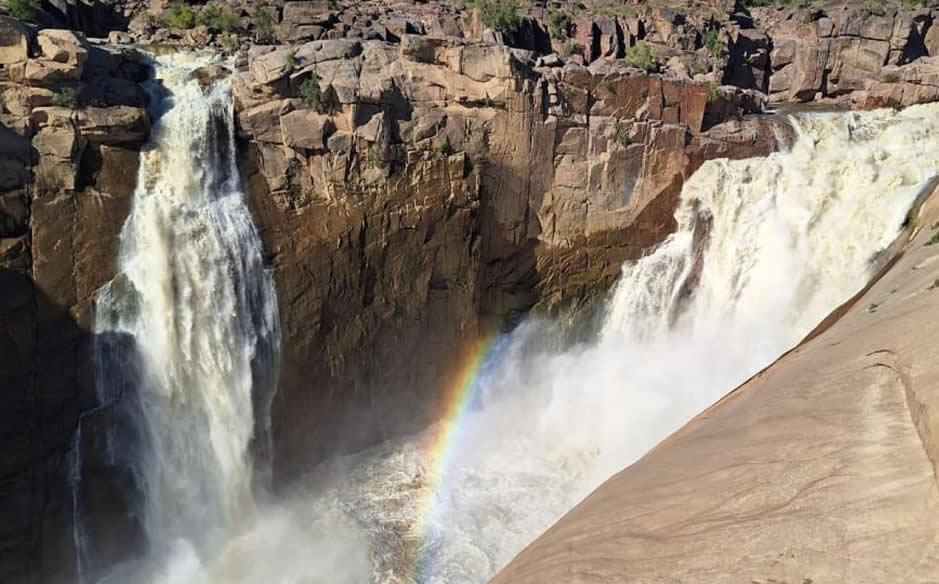
Drive north along the N7 through the Cederberg and Namaqualand (spectacular wildflowers in May-August). Stop at Augrabies Falls National Park on the Orange River (3 days). The campsite here is excellent — Augrabies Falls Rest Camp has proper chalets and en-suite camping pitches run by SANParks. The gorge hike at dawn is unforgettable.
Border Crossing: Exit at Vioolsdrift/Noordoewer — one of the easiest border crossings in Africa. Usually under 1.5 hours. Get your SADC vehicle permit stamped here.
🇳🇦 Namibia — Days 19–45 (approx. 3.5 weeks)
Namibia is arguably the highlight of the southern portion — vast, dramatic, and incredibly well set up for self-drive overlanding. Fish River Canyon (3 days) — the second largest canyon in the world. Stay at Ai-Ais Hot Springs Resort (NWPR-managed), which has a fantastic pool fed by thermal springs and proper chalets and camping. The canyon viewpoint road is accessible in a 4×4.
Push north through the Kalahari to Sossusvlei and Namib-Naukluft Park (3–4 days). Dune 45, Deadvlei, and the salt pans are unmissable. Stay at Sesriem Campsite (inside the gate — critical to book ahead) or the slightly pricier Sossus Dune Lodge if you want a cabin. The gate opens at sunrise so sleeping inside the park is a massive advantage. Continue to Etosha National Park (4 days) — one of Africa’s great wildlife parks. The floodlit waterholes at Okaukuejo Camp at night are absolutely surreal — elephants, black rhino, lions, and giraffe all coming in under artificial light. Okaukuejo, Halali, and Namutoni camps all have proper chalets, ablution blocks, and a swimming pool. Book through NWR well in advance for June-July.
Border Crossing: Head east from Etosha toward Ngoma Bridge (Namibia/Botswana) or Mohembo further west if you want to transit through the Caprivi/Zambezi Strip.
🇧🇼 Botswana — Days 46–64 (approx. 2.5 weeks)
Botswana’s parks are pristine but require preparation — fuel can be scarce and distances are long.
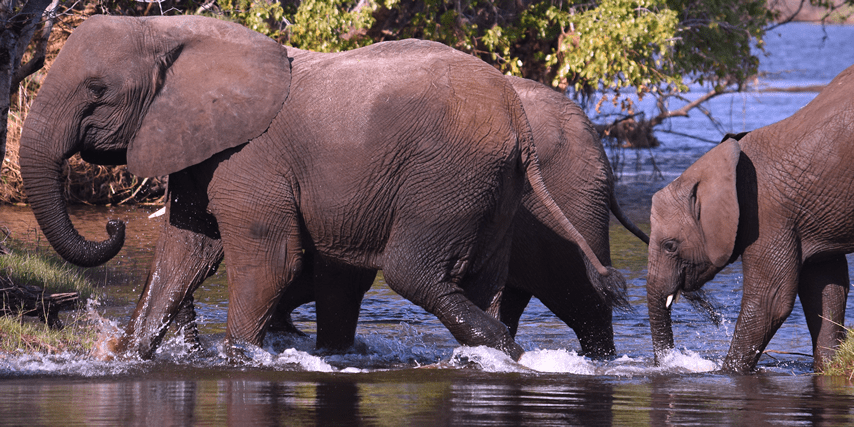
Chobe National Park (4 days) based in Kasane. Chobe’s riverfront has one of the highest concentrations of elephant in Africa. The Ihaha Campsite inside the park (DWNP-managed) sits right on the Chobe River — beautiful but very basic (pit toilets, no showers). For a more comfortable option with ablution blocks, use Chobe Safari Lodge Campsite just outside the park in Kasane. Boat cruises on the river are a must.
Okavango Delta / Moremi Game Reserve (3–4 days) accessed from Maun. Drive the sandy tracks into Moremi Game Reserve and camp at Third Bridge Campsite or Xakanaxa — both are legendary overland spots with incredible wildlife right in camp. These have basic long-drop toilets so the rooftop tent is useful here, but there are reed shower enclosures. Alternatively, Maun has comfortable guesthouses and lodges for rest nights.
Border Crossing: Take the Kazungula Bridge (opened fully in 2021 — far faster than the old pontoon). This border connects to both Zambia and Zimbabwe. You choose your next country here.
🇿🇼 Zimbabwe — Days 65–82 (approx. 2.5 weeks)
Zimbabwe is underrated by overlanders and offers extraordinary value and warm hospitality.
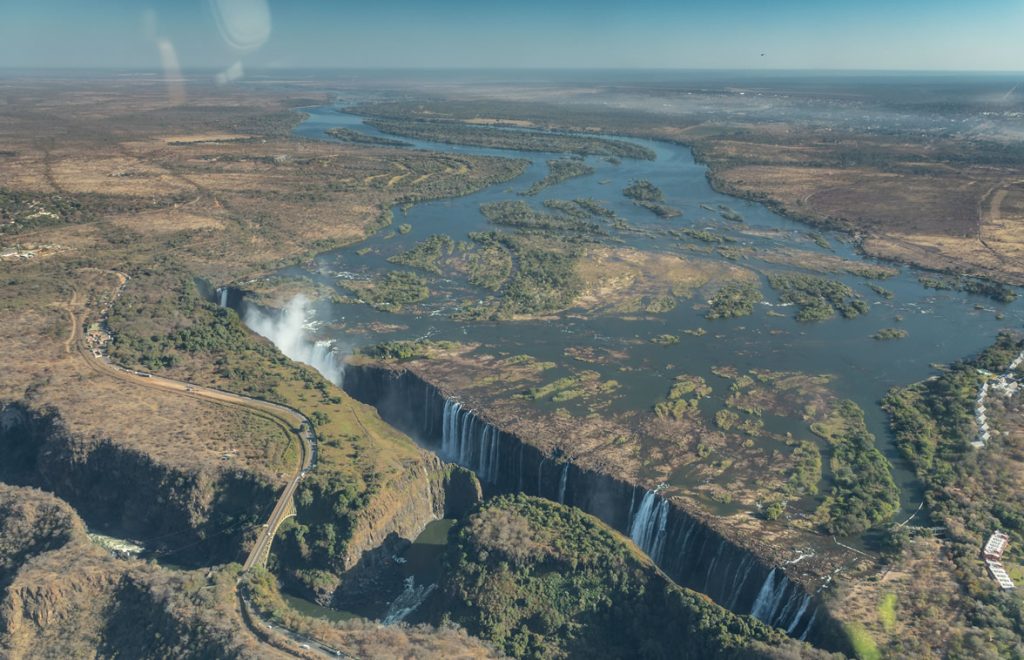
Victoria Falls (3 days) — non-negotiable. The falls are best viewed from the Zimbabwe side. Stay at The Zambezi Campsite right next to the falls entrance (ablution blocks, secure) or Shoestrings Backpackers which has camping and dorm options. Bungee jump, white-water raft, or take a sunset cruise.
Hwange National Park (4 days) — Zimbabwe’s largest park. Main Camp has good self-catering chalets and camping with ablution facilities. Shumba Picnic Site and the Mandavu Dam area are exceptional for wildlife. The painted dogs (African wild dogs) here are among the most reliably seen anywhere on the continent.
Border Crossing: Cross via Victoria Falls Bridge to the Zambian side (Livingstone), or re-enter Botswana at Kazungula if you skipped Zimbabwe first.
🇿🇲 Zambia — Days 83–102 (approx. 2.5 weeks)
South Luangwa National Park (4–5 days) — often called the birthplace of the walking safari. Camp at Croc Valley Camp (comfortable bandas, ablution blocks, riverside setting) or Wildlife Camp (excellent chalets and camping pitches with hot showers). The park roads are challenging and rewarding — leopard sightings here are extraordinary.
Lower Zambezi National Park (3 days) if time allows — spectacular canoe safaris on the Zambezi with hippos and crocs. Mvuu Camp and Chiawa Camp both have camping options, though the latter is more upmarket.
Border Crossing: Exit Zambia at Tunduma/Nakonde into Tanzania. This border can be slow — budget 3–4 hours. Have all vehicle documents, yellow fever card, and TIP (Temporary Import Permit) ready.
🇹🇿 Tanzania — Days 103–138 (approx. 5 weeks)
Tanzania deserves the longest time of any country on this route.
Ruaha National Park (4 days) — Tanzania’s largest and least-visited major park. Magnificent for lion, leopard, elephant, and the rare roan antelope. Jongomero River Camp has tented bandas with ablutions. Mwagusi Safari Camp offers camping pitches. Access from Mbeya via Iringa (rough road — 4×4 essential).
Mikumi National Park (2 days) — a good transit stop en route north with very accessible wildlife along the highway.
Serengeti National Park (5–6 days) — the crown jewel. Stay at Seronera Public Campsite (central, basic ablutions) or Lobo Bandas in the northern Serengeti for a more comfortable room. The Ndutu area is spectacular during January-March calving but October still has massive herds moving through. Book through TANAPA well ahead. Entry fees are significant — budget around USD $70 per person per day.
Ngorongoro Crater (2–3 days) en route from Serengeti. Simba A & B Campsites on the crater rim are iconic — cold nights at 2,300m altitude. Proper descent into the crater is done with a ranger in your 4×4.
Border Crossing: Exit Tanzania at Isebania (into Kenya near Migori) or Namanga (if heading to Nairobi directly via Amboseli). Namanga is the faster, more straightforward crossing.
🇰🇪 Kenya — Days 139–120 (final leg)
Masai Mara National Reserve (5 days) — arrive via Migori/Isebania border if possible, entering the Mara from the west. The Musiara Public Campsite and Sekenani Campsite are well-run with ablution facilities. River crossings by wildebeest (July-October) are breathtaking. The Mara triangle is excellent for big cat activity.
Amboseli National Park (3 days) — Kilimanjaro views and massive elephant herds. Ol Tukai Lodge Campsite has good facilities. Best visited on a clear morning before cloud builds around Kili.
End your journey in Nairobi — arrive via the Namanga highway, clear customs, and celebrate one of Africa’s great overland routes.
Campsite Summary: Comfort Without a Rooftop Tent
Country | Park | Campsite | Facilities |
South Africa | Augrabies Falls | Augrabies Rest Camp | En-suite pitches, power |
Namibia | Sossusvlei | Sesriem Campsite | Ablutions, braai stands |
Namibia | Etosha | Okaukuejo / Halali Camp | Ablutions, pool, restaurant |
Botswana | Chobe | Chobe Safari Lodge campsite | Hot showers, secure |
Zimbabwe | Victoria Falls | Zambezi Campsite | Ablutions, walking distance to falls |
Zimbabwe | Hwange | Main Camp | Chalets + camping, ablutions |
Zambia | S. Luangwa | Croc Valley / Wildlife Camp | Bandas, hot showers, riverside |
Tanzania | Serengeti | Seronera Public Campsite | Basic ablutions, firewood |
Tanzania | Ngorongoro | Simba A Campsite | Ablutions, firewood |
Kenya | Masai Mara | Sekenani Campsite | Ablutions, security |
Key Practical Notes
Vehicle prep: Your Land Cruiser should carry two spare tyres, a comprehensive tool kit, dual-battery system, and at minimum 60–80 litres of spare fuel capacity — particularly for Zambia and remote Tanzania. A satellite communicator (Garmin inReach) is strongly recommended.
Documents: International Driving Permit, carnet de passage (strongly recommended), yellow fever vaccination card, third-party insurance per country (COMESA Yellow Card covers most), and TIP (Temporary Import Permit) at each border.
Budget: Allow USD $150–200 per person per day including park fees, fuel, food, and accommodation, totalling roughly USD $18,000–24,000 for two people over 4 months. Tanzania and Kenya are the most expensive countries for park fees.
Best months: May through October is dry season across the whole route — ideal for wildlife viewing and road conditions. Avoid March-April when roads in Zambia and Tanzania can become impassable.
This is a journey of a lifetime. The route from Cape Town to Nairobi through these seven nations covers virtually every great wildlife ecosystem in sub-Saharan Africa — from desert and canyon to wetland, savanna, and highland forest. Take your time. The best moments always happen when you’re not rushing.