
Properties
Self-Drive Tours in Tanzania
Tanzania is one of Africa’s most magnificent road-trip destinations. It boasts well-established national parks, friendly locals, and stunning landscapes, making self-drive safaris increasingly popular among both seasoned and first-time safari-goers. From the vast plains of the Serengeti to the ancient baobab forests of Tarangire and the volcanic splendour of the Ngorongoro Crater, a self-drive safari allows you total freedom — to stop when you want, take detours, and stay longer in your favourite spots — all at a fraction of the cost of a fully guided tour.
Tanzania is Africa’s ultimate safari destination and a road trip paradise. The Serengeti, Ngorongoro Crater, and Zanzibar are justifiably popular, but there are so many more hidden gems to explore.
Most self-drive itineraries are built around the Northern Circuit, which links Arusha, Tarangire, Lake Manyara, Ngorongoro, and the Serengeti. Most travelers complete the full circuit in 7 to 10 days, and wildlife sightings along this route are among the best in Africa. More adventurous travellers can extend their journeys to the remote southern parks — Ruaha, Nyerere (formerly Selous), and Katavi — which offer a wilder, less-crowded experience.
Is Camping a Great Deal on a Self-Drive Tour?
Absolutely — camping is arguably the highlight of a Tanzania self-drive experience, and it offers remarkable value for the adventure it delivers.
Quality of Campsites Campsites in Tanzania are nicer than elsewhere in East Africa. You can expect a clean toilet and working shower even when you’re deep in the Serengeti. There are two main types: public campsites (shared with other travellers, basic facilities included) and special campsites (entirely private, no facilities, but utterly immersive).
Immersive Wildlife Encounters The park campsites are mostly unfenced, and it is not unlikely that you may find elephants wandering between the tents or bump into antelopes on your way to the shower. Sleeping in simple tents on unfenced campsites brings you closer to nature — comfortable, but without unnecessary frills. Safari days on camping safaris start early, so you should be ready to seize the day at sunrise.
Cost Public campsites managed by TANAPA cost roughly US$35 per person per night. When on a self-drive safari, these often don’t need to be booked and campers will be allocated a site when entering a park. Campsites outside the national parks are much cheaper, costing around US$5 to US$15 per tent.
Special Campsites for the Ultimate Experience When you book a special campsite, you will be away from everybody else with no facilities — but camping on the plains of the Serengeti all by yourselves is an unforgettable experience, just magic!
Rooftop Tenting Many self-drive rental vehicles come equipped with rooftop tents, which are elevated off the ground and provide both safety and spectacular views. Camping gear rentals fit every budget and comfort level — from basic roof tents to luxury camping packages — with equipment cleaned and inspected regularly for quality assurance.
Precautions to Take Before Opting for a Self-Drive Trip
Careful preparation is the cornerstone of a successful Tanzania self-drive. Here are the key precautions:
- Secure the Right Driving Permit Foreign travelers must hold a valid International Driving Permit (IDP) to rent and drive a vehicle in Tanzania. This permit is recognized internationally and allows access to national parks, game reserves, and other conservation areas. It can be obtained in your home country before travel.
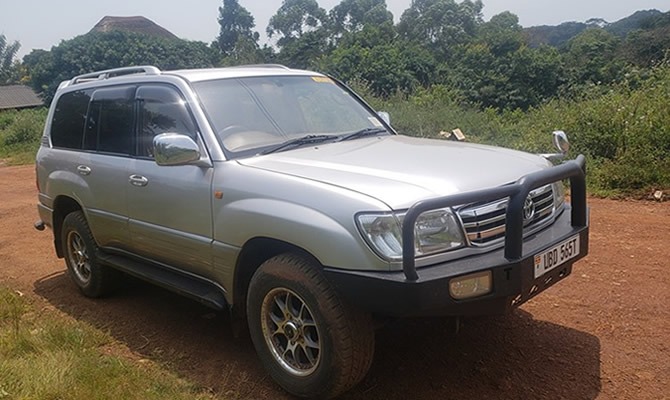
- Choose the Right Vehicle The key to a successful self-driving safari is the right vehicle. A 4×4 is essential for navigating Tanzania’s varied terrains, from the Serengeti’s vast plains to the Ngorongoro Crater’s rugged trails. Make sure your vehicle is well-equipped with spare tires, a jack, and basic repair tools. The Toyota Land Cruiser is the most recommended option for its durability and wide availability.
- Plan Around the Seasons For rain-free days, June to October are the best months. November and December bring short rains, while March to May come with heavier rainfall. Pack suitable clothing, along with extra gear like raincoats, umbrellas, and waterproof bags.
- Pre-Book Permits and Campsites You’ll want to secure your Ngorongoro Permit with your car rental company before you go. Special campsites must be reserved 2 to 6 months ahead, especially during the peak dry-season travel months.
- Carry the Right Payment Methods Keep your credit cards — preferably Visa or Mastercard — topped up to cover park fees, fuel, meals, and other expenses. Cash payments are not accepted at park gates. However, it is wise to also carry some US dollars for border fees and conservation area entry points that operate on a cash-only basis.
- Health and Vaccinations Tanzania is a malarial area, so it’s important to take antimalarial medication and use insect repellent to protect against mosquito bites. Additionally, ensure you have the necessary vaccinations before your trip. The Lake Eyasi region, in particular, is noted as a heavy malaria zone.
- Carry Emergency Essentials Always inform someone of your itinerary and carry a charged phone with emergency contacts. A well-stocked first-aid kit, extra fuel, and sufficient water are non-negotiable supplies for remote driving.
- Download Offline Navigation Navigation tools like GPS, maps, compasses, and an understanding of road conditions are essential. Avoid relying solely on Google Maps in remote areas, as it may direct you onto impassable dirt roads. Apps like Maps.me, downloaded offline before departure, are highly recommended by experienced self-drivers.
- Demanding Road Conditions By East African standards, the road conditions in many parts of Tanzania are good, though you can expect a lot of speed bumps and the occasional pothole. The last stretch of your daily trip often requires driving on gravel roads to reach a lodge or park entrance gate. Inside the parks, it’s off-road driving on dirt tracks, and conditions on these roads tend to be variable from one season to the next — most difficult during the rainy season.
- Navigating Police Checkpoints There will likely be police checkpoints that actually look. Some major roads have speed traps. Don’t speed or pass illegally because police are everywhere. Stay polite and keep all your documents ready when you get stopped. Hand over your license and IDP without hesitation or argument — cooperation at a checkpoint speeds the process up every single time.
- Wildlife on the Road When driving near national parks or wildlife reserves, beware of animals crossing the road unexpectedly. From elephants to zebras, the experience can be thrilling but requires constant vigilance. Additionally, pedestrians and cyclists frequently share the road in rural areas, so it’s essential to drive cautiously and at moderate speeds
- Fuel Scarcity in Remote Areas Gas stations can be scarce in and around national parks, so it’s essential to fill up whenever possible and carry extra fuel. Gas is fairly expensive in Tanzania at about $1.20 per liter in 2026.
- Dangerous Night Driving Avoid driving at night as roads can be poorly lit, and the risk of encountering drunk drivers or stray animals increases after dark. Most parks explicitly prohibit driving after dark, and rental companies strongly reinforce this rule.
- Time Estimation Errors If you are trying to estimate your Tanzania travel with Google Maps, increase the suggested time by 30%. On gravel roads, you reach an average speed of only 25 km/h, and the biggest mistake travelers make is rushing and trying to cover too much in one trip.
- Limited Connectivity Roads are often poorly marked, and you may find yourself in areas without cellular coverage. This makes offline maps and pre-downloaded guides absolutely critical.
- Mechanical Breakdowns When driving a vehicle in challenging conditions, unexpected issues can arise. A flat tyre can happen easily — it is part of the adventure but can be fixed quickly at any service station. Always rent from a reputable company that offers 24/7 roadside support.
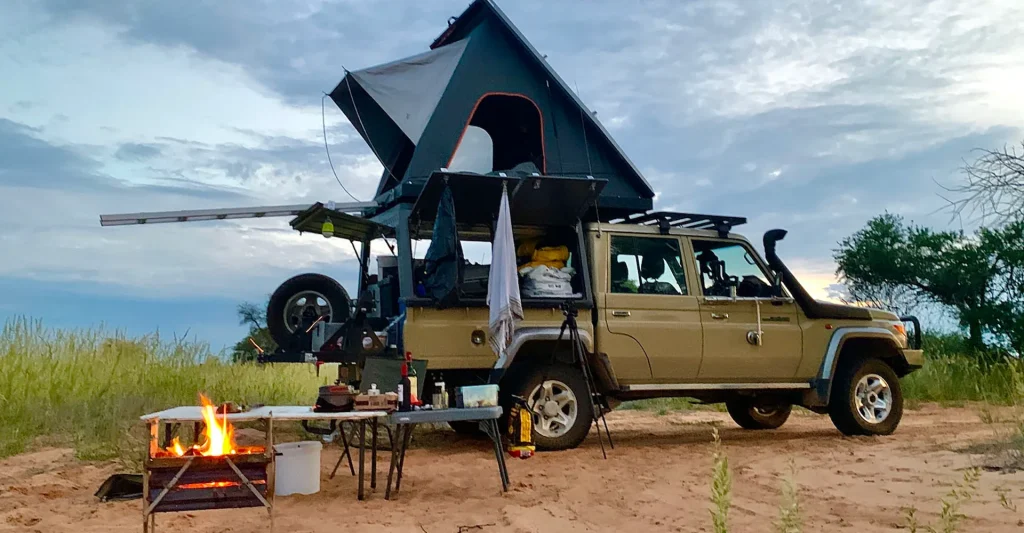
In summary, camping on a Tanzania self-drive tour is not merely a budget option — it is the most immersive and rewarding way to experience the country’s wilderness. The sounds of the bush at night, the proximity to wildlife, and waking up to the African dawn make it an experience that no lodge can fully replicate. With the right preparation, the right vehicle, and an adventurous spirit, a self-drive camping safari in Tanzania ranks among the finest travel experiences on earth.
Featured
Properties
- All Post
- Business
- Camping safaris
- Lawyer
- Online Services
- Personal
- Professional
The Ultimate Guide to Self Drive Gorilla Trekking Safari in Rwanda and Uganda (2026) A complete road trip guide for...

Budget camping sites for rooftop tents in Uganda: the complete self-drive guide Uganda Self-Drive Safari Guide Budget camping sites for...

Impact of the 2026 Iran War on Tanzania’s Tourism Sector Risks, Consequences, and Government Revival Strategies Executive Summary The ongoing...