
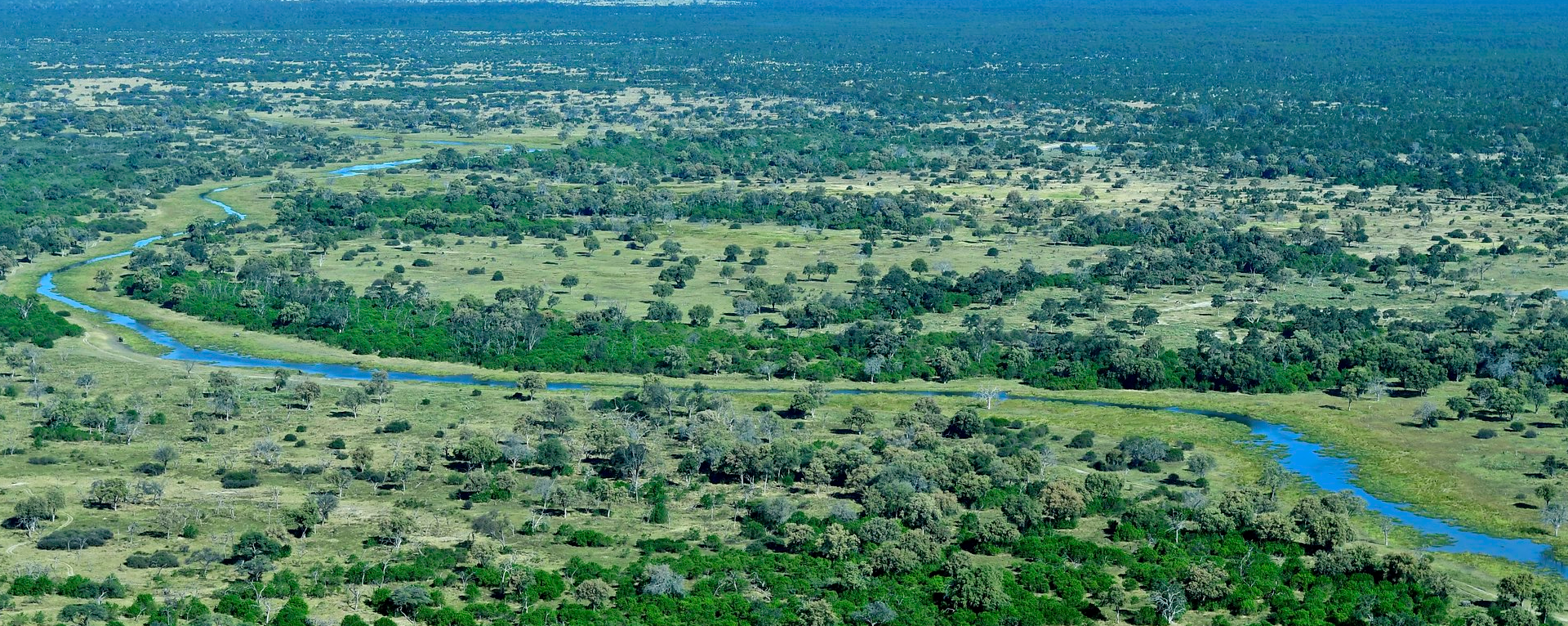
Katavi National Park is situated in the Katavi Region of Tanzania. This park is quite remote and sees fewer visitors compared to other national parks. Covering an area of about 4,471 square kilometres, it ranks as the third-largest national park in Tanzania. The park includes the Katuma River along with the seasonal floodplains of Lake Katavi and Lake Chada.
Wildlife in Katavi
The park is home to large herds of Cape Buffaloes, zebras, giraffes, and elephants. The Katuma River hosts crocodiles and hippos, which create mudholes during the dry season that can be filled with hundreds of these animals. Predators in the area include cheetahs, wild dogs, hyenas, leopards, and lions. While some sources indicate a high level of biodiversity within the park, there are also concerns about wildlife decline due to illegal hunting and poaching. Katavi experiences fewer human visitors and game drive vehicles compared to other Tanzanian parks.
Visitors to Katavi National Park
The park attracts a very small number of visitors relative to more popular parks. In the 2012/13 period, only 1,500 foreign visitors were recorded out of a total of 900,000 across the entire Tanzania National Parks system. A survey of the actual rooms sold by the available ‘Safari’ style accommodations could provide more insight. Still, an upper limit can be estimated based on total room availability and the length of the season. There are only three public campsites permitted to operate in Katavi: the Mbali Mbali Katavi Lodge, Foxes on the Katuma, and Chada on the Chada Plain. Each of these camps has a visitor capacity limit of around a dozen.
Access to Katavi National Park